Learn How To Manage Your Rental Property on Airbnb
Get access to our 5-day training course on managing your vacation rental property in Dubai.
Download Guide
Airbnb self check-in is brilliant, right up until it fails at 2 AM.
Your guest just landed in Dubai. They’re tired, jet-lagged, and… locked out of your Airbnb.
Nightmare scenario, right? Yes! And it happens more often than you’d think. Self check-in sounds simple. Until it isn’t. And when it goes wrong, it can will turn a 5-star stay into a 1-star disaster.
Don’t panic though.
We’ve got the keys to make self check-in a breeze (rhymes intended).
At Homevy, we check guests into holiday homes across Dubai every day, by smart lock, keypad and, in some buildings, in person at reception. So we know where each method breaks.
Ready to say goodbye to middle-of-the-night panic calls?Let’s get into it.
The best Airbnb self check-in method is usually a smart lock or keypad, because every guest gets their own code and there’s no key to lose.
A lockbox is the cheapest option but the easiest to get wrong. In buildings that require a reception handover, like Emaar-managed towers in Dubai, you’ll need someone there in person.
But many hosts find that a mix of the best smart locks and keypads works well for most Airbnb properties, especially when implementing Airbnb self check options.
At Homevy, we’ve found that using the right check-in method greatly improves guests’ experience. We usually use smart locks or keypads, depending on what works best for each property.
Now let’s explore the options in detail:
| Detail | Lockbox | Keypad | Smart lock | Reception handover |
| Upfront cost (UAE) | From AED 55 | AED 250 to 1,100 | AED 650 to 1,500 | No hardware; staff time for every arrival |
| Security | Lowest: one code, a physical key that can be copied or not returned | Good: a new code for each guest, no key | Best: codes that expire, an entry log, remote unlock | High: ID checked in person |
| What usually goes wrong | Wrong code sent, stuck dial, key not returned | Dead battery, lockout after wrong entries | Dead battery, dropped Wi-Fi, code not sent on time | No one there late at night, key not where promised |
| Your backup plan | A spare key with someone nearby; reset the code every stay | New batteries at every turnover; an override key | A keypad code that works offline; an override key | A 24/7 on-call team; a clear meeting point |
| Works in Dubai? | Check building rules first | Yes, where the building allows self check-in | Yes, where the building allows self check-in | Required in Emaar-managed buildings |
Now let’s explore the options in detail:
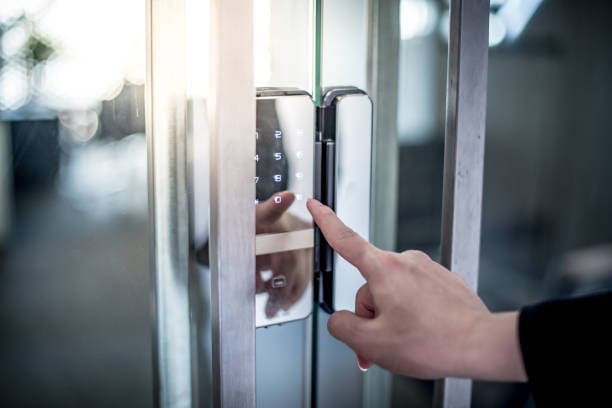
Image from: Istock Photo
Smart locks are digital locks that you can control with your phone. They’re becoming more popular for Airbnb properties because:
But they’re not perfect. Smart locks can be expensive (AED 650 to AED 1,500 for the models in our gadget setup guide), and app and remote features rely on Wi-Fi. Pick one that also takes a keypad code, so guests can still get in if the connection drops.
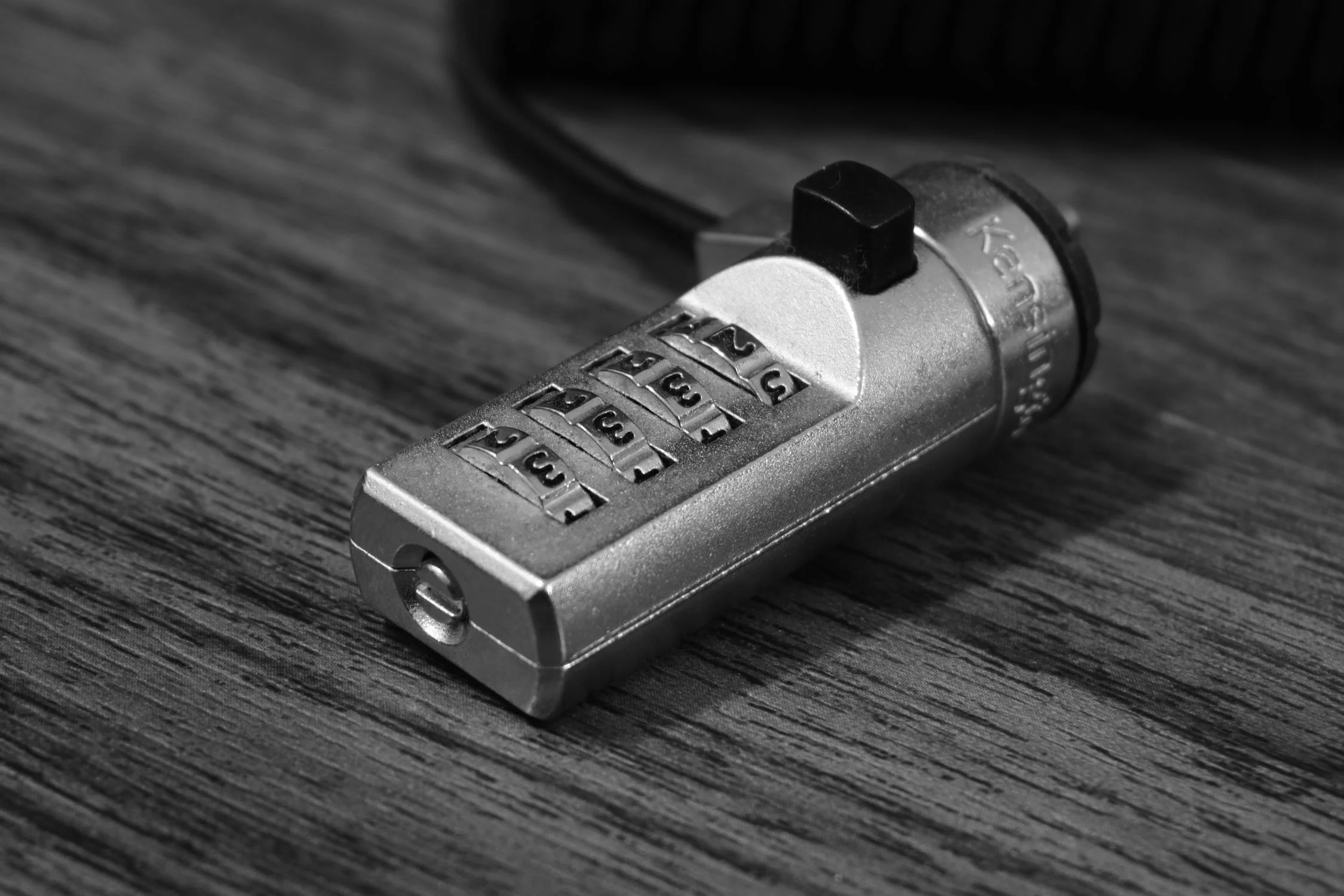
Photo by: Nikhiel CS
Lockboxes are small safes where you can store keys. They are usually stored somewhere at the entrance to the apartment. Many Holiday Homes hosts use them because:
The downside is you have to manually change codes between guests, and there’s always a risk of lost keys. Many Dubai towers don’t allow anything fixed to the door or corridor wall, so check with building management before you install one.
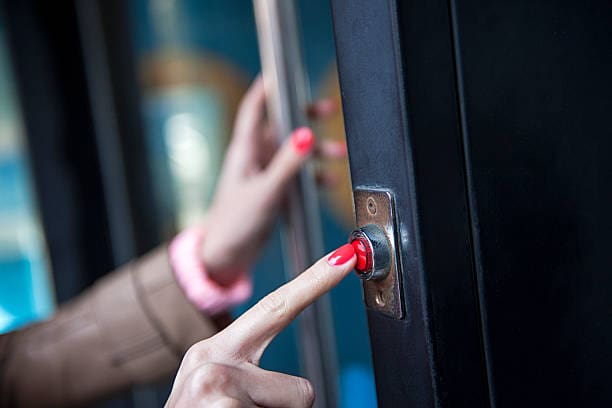
Image from: Istock Photo
Keypad systems sit between smart locks and lockboxes in terms of technology. They’re popular because:
Keep in mind that some models need battery changes and can sometimes have technical issues. Swap the batteries at every turnover, not when the low-battery light comes on.
A staff member meets the guest, checks their ID and hands over the keys and access cards. It’s not self check-in, but in some Dubai buildings it’s the only option allowed. It works best when the guest knows exactly where to go and who to ask for, and when someone is on call for late arrivals.
When self check-in fails, it’s usually because a lockbox or fob won’t open, the guest can’t reach the host, or they can’t find the entrance. That’s what TouchStay found in 3,822 guest questions about check-in. The lock rarely ruins the review on its own. Not being able to reach anyone does.
So, who picks up when your guest is standing outside at 2 AM?
Here’s the backup plan every self check-in needs:
Yes, in many Dubai buildings, but not all. Since 29 January 2025, Emaar Community Management has required a holiday home operator’s staff member to meet every guest in person and check their ID, so self check-in isn’t allowed in those buildings. Elsewhere, smart locks and keypads work, as long as the building allows them.
Wherever you host in Dubai, every guest also has to be registered with DET (Dubai’s Department of Economy and Tourism). At Homevy, we register every guest in DET’s Holiday Homes system within 3 hours of arrival.
In Emaar buildings, we run 24/7 mobile check-in teams, so guests can still arrive late without waiting for office hours. Here’s what Emaar’s check-in policy means for Dubai hosts.
Building access matters too. Many Dubai towers use access cards for the lobby, lifts and parking, so test the card as well as the door before every arrival.
A smooth Airbnb self check-in takes three steps:
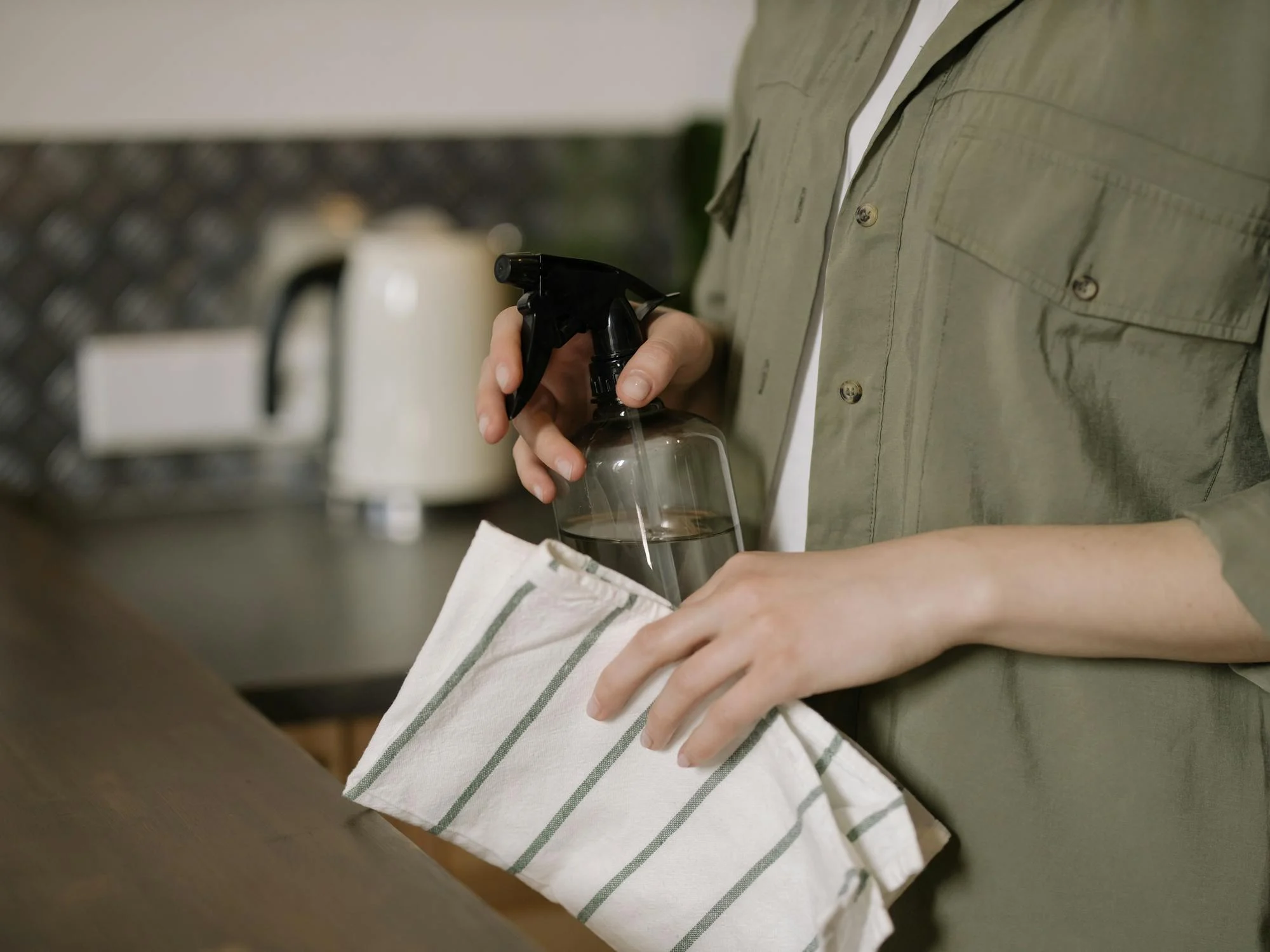
Photo by: cottonbro studio
Getting your place ready for self check-in sets the stage for a great stay. Let’s break it down:
First things first, your guests need to find your place without a hassle.
Put up clear house numbers or a name sign that’s visible from the street. Don’t forget to add some outdoor lighting so late-night arrivals aren’t left in the dark. In your check-in instructions (and also the house manual), give detailed directions that even a ‘directionally-challenged’ person could follow.
In a Dubai tower, that means the building name, the right entrance or lobby, the lift and the floor.
First impressions matter, so tidy up that hallway. Clear out any clutter that might trip up your guests (literally). Make sure the entry area is well-lit, spotless and welcoming, so guests can fully relax after a long journey.
Additionally, provide a comprehensive house manual that answers common questions about operating appliances and finding amenities.
Test all your locks and access points to make sure they’re working smoothly. That includes building access cards for the lobby and lifts.
If you’re using a smart lock or keypads, replace the batteries before they die on your guests. And if you’re going old-school with a lockbox, have some spare keys made, just in case.
Safety first. Install a fire extinguisher near the entrance and make sure it’s easy to spot. Write down emergency numbers and put them somewhere obvious. And please, check those smoke detectors – they could be real lifesavers.
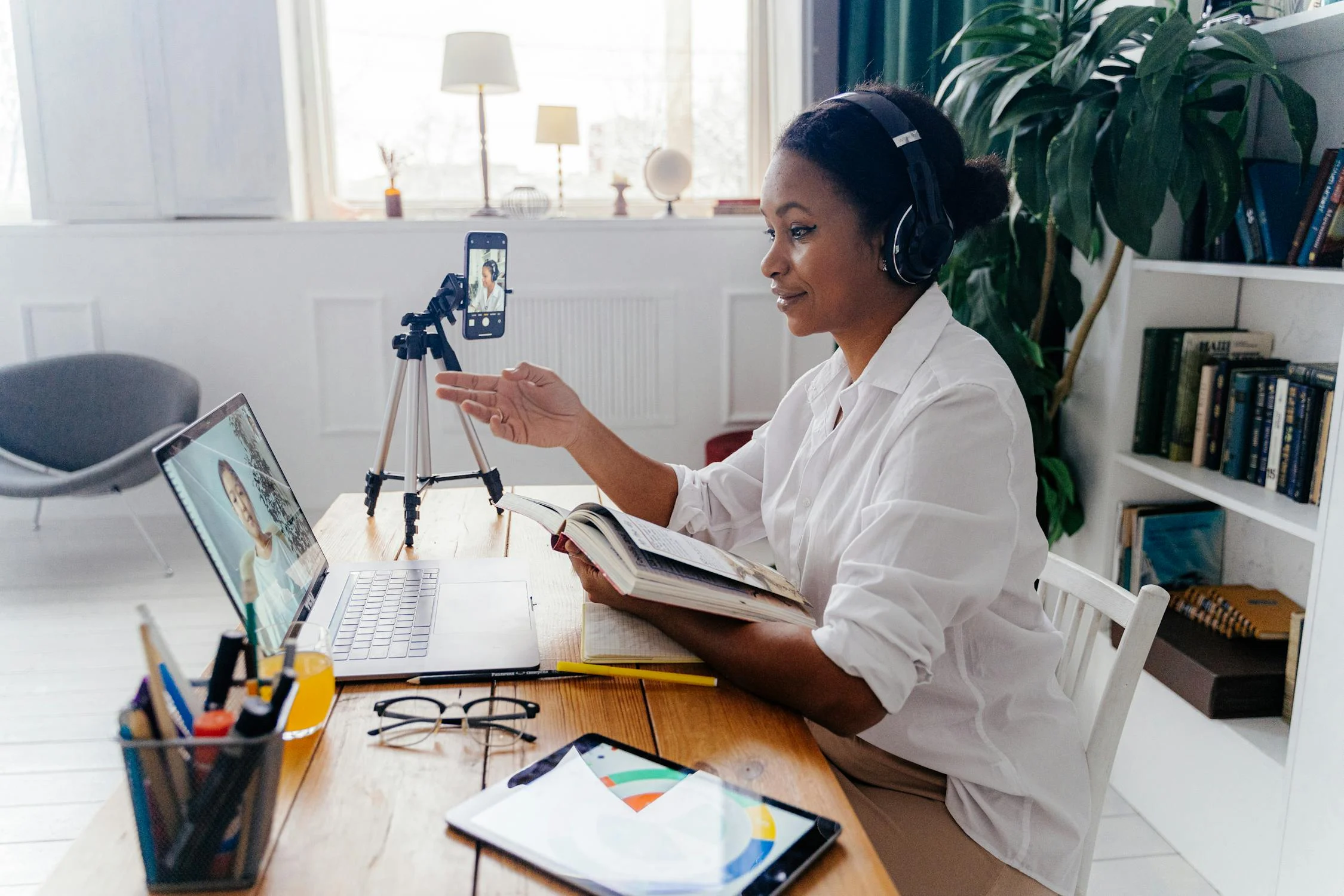
Creating clear instructions is crucial for a smooth Airbnb self check in experience. Here’s how to make your check-ins foolproof:
Begin your check-in instructions with the property address and check-in time. Include landmarks to help guests find your Airbnb listing easily. For example: “We’re in Tower B, the entrance facing the Marina Walk, next to the supermarket.”
Provide a step-by-step instruction as well. Start from the moment they arrive. For instance: “Take the lift to the 14th floor and turn left. Apartment 1406 is the third door, with the keypad above the handle.”
If you’re using a key safe, tell them where to find it and how to open it.
For smart locks, give clear instructions on how to use the app or enter the smart lock code. Don’t forget to include the Wi-Fi password here too. Provide your contact info as well. Let guests know how to reach you if they have any trouble. Include your phone number and email, and mention if there are certain hours when you’re not available.
Photos can greatly improve your check-in instructions. Take pictures of your property’s exterior, the key lockbox location, and any tricky door handles or keypads. You could even create a short video showing the entire self check in process.
Include any house manual or guide as well. Briefly mention any important rules too. This might include quiet hours, no-shoe policies, or parking information.
You can use a template that covers all these bases, and customize them accordingly for your property.
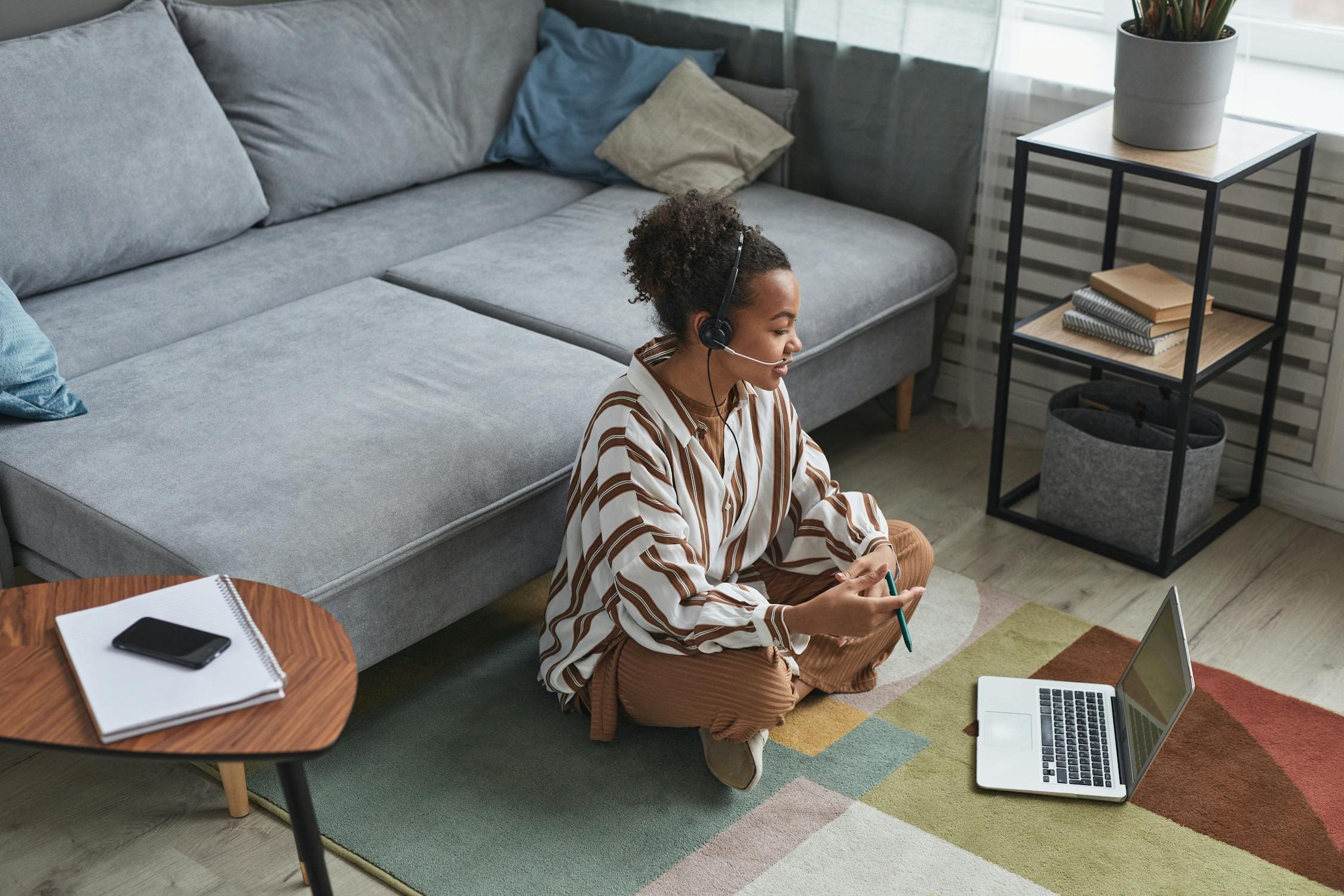
Photo by: Jep Gambardella
Effective communication is key to a smooth check-in and a great Airbnb experience. Here’s how to keep your guests in the loop:
Don’t wait until the last minute to share information.
Airbnb shows guests your detailed check-in instructions 48 hours before check-in, so have them in your listing’s Arrival guide well before then, and send a reminder message on the day. This gives them time to review the information and ask any questions.
Also ensure that your guests know the designated check-in time. If you offer flexible check-in, let them know. For example: “Check-in time is 3 PM, but if you need to arrive earlier, just let us know and we’ll do our best to accommodate you.” Also, follow up after check-in. Once your guests’ check-in time has passed, send a quick message to make sure they got in okay.
The Airbnb app is a great tool for communication.
Aside from texting guests directly, you can automatically share check-in instructions through the app, which guests can easily access during their travels. Ensure to include all the necessary instructions, from finding the property to using the smart lock.
To add them on desktop: go to Listings, choose the listing, open the Listing editor, select Arrival guide, then Check-in method, and add your instructions.
Plus, all your messages will be in one place, making it easy to keep track of conversations.
P.S: You can add a separate check-in message shortly before your guests arrive to provide timely information (in case you’ve changed something) and minimize stress.
Here’s a self check-in instructions template you can paste into your Airbnb Arrival guide. Replace everything in brackets, add a photo for each step, and keep it short enough to read on a phone in a taxi. For the welcome message that goes with it, use our Airbnb welcome message templates.
Version 1: smart lock or keypad
| Hi [first name], here’s how to get in. Check-in is from [3 PM].
1. Find the building: [Building name], [street/area]. The entrance is [where], next to [landmark]. Maps pin: [link] 2. Get to the door: take the [left/right] lifts to floor [X]. Apartment [number] is [directions]. 3. Open the door: enter [your code] on the keypad, then press [the tick / lock button]. Your code works from November 12, 2026 to November 12, 2026. 4. Once inside: Wi-Fi is [network] / [password]. The house manual is on [where]. If something doesn’t work: call or WhatsApp [number], any time. We’ll pick up. Checkout: by [11 AM] on November 12, 2026. Just close the door and it locks itself. |
Version 2: building reception or staff handover
| Hi [first name], here’s how your check-in works. Check-in is from [3 PM].
1. Find the building: [Building name], [street/area]. Maps pin: [link] 2. Meet us at reception: [name] from our team will meet you at [lobby/reception desk]. Please send us your arrival time, so we’re there when you land. 3. Bring your ID: the building needs to see a passport or Emirates ID for every guest. 4. Keys and access cards: we’ll hand over [number] keys and [number] access cards for the lobby, lifts and parking. Arriving late? Our team is on call [24/7]. Call or WhatsApp [number]. |
Remember to send your checkout steps too. Our checkout instructions guide [LINK: new checkout instructions post] has a template for that.

Photo by: cottonbro studio
A personalized welcome can turn a good Airbnb stay into a great one. Here’s how to make your guests feel special:
A smooth self check-in matters because it’s the guest’s first real moment in your home, and guests look for it before they book.
Self check-in was the eighth most-searched amenity on Airbnb in 2025. For hosts, it saves hours of meet-and-greets. And for guests, it means arriving whenever their flight lands.
For Vacation Rental Hosts:
For Vacation Rental Guests:
Airbnb self check-in allows guests to access the rental property without meeting the host in person. The self check-in typically involves using a key lockbox, smart lock access, or unique access codes.
Hosts provide detailed instructions on how to enter the property, often including step-by-step guidance and photos. This self check-in option can completely eliminate contact between hosts and guests, making it a convenient solution for both parties.
To make your guests feel special, consider leaving a personalized message, welcome gift, or handwritten note welcoming them by guest name.
Prepare guest resources like local recommendations or a welcome basket. You might also offer flexible check-in and check-out times when possible. Remember, it’s the thoughtful touches that help guests feel valued and lead to great reviews.
Your Airbnb check-in instructions should be self-explanatory and include:
P.S: Be sure to send these instructions well before the guest checks in, and consider including photos or a video for clarity.
Many short term rental guests prefer the self check-in option as it offers flexibility and privacy. It allows them to arrive at their convenience without the pressure of meeting a host at a specific time or the same day. However, some guests might prefer a host-led check-in for a more personal touch. As an Airbnb host, offering both options can cater to different preferences and potentially lead to more profits.
A self check-in lock box is a secure container typically attached near the front door or in a designated area of the short-term rental. It holds the property keys and can be opened with a code provided by the host.
The lock box might have a metal loop to hang on a door handle or may be wall-mounted. This method allows guests to access the keys and enter the property independently, saving time for both hosts and guests. After check-out, guests usually return the keys to the lock box for the next guests.
Remember, whether you’re using a lock box, Airbnb smart locks, or other access methods, clear communication i.s top tier. It’s also crucial that Airbnb hosts regularly update their instructions
To “bulletproof” your check-in method, you need to constantly refine it based on the feedback and data you get from past guests. This ensures that your check-in process is super targeted to your type of guests, and you get more bookings.
Start with the method your building allows, then build the backup plan around it. If you’d rather not be the one who answers at 2 AM, that’s what our guest check-in team is for.
Remember, the check-in process is often your guests’ first real interaction with your property. A well-prepared space, clear instructions, and thoughtful touches can turn a standard arrival into a warm welcome.
And no matter the self check-in process – smart locks, key lockboxes, or keypad entry systems, the goal is always the same: to make your guests feel at home from the moment they arrive.
Plusss… don’t forget to test, test, test.
Hosting in Dubai? Let Homevy manage your check-ins, and everything after them.
Cheers.

Thank you for reading! I'm excited to help homeowners and guests alike discover the benefits of short-term rentals with HOMEVY. Stay tuned for more updates and helpful tips on the blog.


Get access to our 5-day training course on managing your vacation rental property in Dubai.
Download Guide