Learn How To Manage Your Rental Property on Airbnb
Get access to our 5-day training course on managing your vacation rental property in Dubai.
Download Guide
Airbnb investing?
It’s a gold rush. Everyone’s talking about it.
If you’re new to this game, you might be thinking; “How do I start investing in Airbnb?” or “Is Airbnb a good investment option?” or “What is a good ROI for Airbnb?” “Is this too risky for a newbie like me?“
Hold up. Take a deeeeeeep breath.
Investing in Airbnb properties isn’t hard (thank goodness) — except for the part where you have to pay for the properties. But if you can afford it, the next step is the right know-how, some solid strategies, and a salt bae sprinkle of courage.
Don’t sweat it, though.
In this guide, we’re breaking down everything on how to invest in Airbnb rental property as a beginner.
The 80/20 rule in Airbnb investing means roughly 20% of your available nights generate a disproportionately large share of your total annual revenue.
Those nights are peak-season dates, public holidays, major events, and weekends in high-demand areas. If your pricing does not respond to that demand, you leave the bulk of your upside uncaptured.
In Dubai, peak tourism occupancy runs from October to April, where the market regularly hits 85% to 95%.
Three things decide your 80/20 outcome:
1. Dynamic pricing: Static nightly rates cannot respond to demand spikes. This includes events like the Dubai Shopping Festival, New Year’s Eve, or Formula E.
Dynamic pricing adjusts your rate in real time, raising it when demand surges and keeping it competitive.
2. Listing quality: A listing that ranks on page one of Airbnb search results during a demand spike earns the booking. One buried on page four does not.
Professional photography, a keyword-optimised description, and response-rate management all affect your search position. Run a free Homevy Score to see exactly where your listing sits across 47 key factors.
3. Area selection: Not all Dubai communities benefit equally from peak demand. Studios and one-bedroom apartments in tourist zones consistently outperform on occupancy.
For the ROI case for smaller formats, see our detailed breakdown of one-bedroom Airbnb ROI and two-bedroom Airbnb returns.
Homevy applies dynamic pricing across every Airbnb listing it manages and monitors demand signals continuously.
This is a reason our portfolio average holds around 91.1% occupancy against a market average of roughly 75% to 81%. And as the best short-term rental management company in Dubai, our aim is to help you capture high-value nights.
Homevy Tip: If your property is in Business Bay or Dubai Creek Harbour, corporate travel adds a mid-week demand layer.
Ready to see what your property could earn across a full peak season? WhatsApp us today.
Follow the steps below, and you’ll be on your way to investing like a pro.
Market research is your best friend when it comes to Airbnb investment.
It’s like checking the weather before a picnic – you wouldn’t want to get caught in a downpour, right? Tools like AirDNA and Mashvisor can be useful. They’ll give you the lowdown on occupancy rates, average daily rates, and seasonal trends.

Photo by: Mikael Blomkvist
When doing market research for short term rentals, focus on doing these three things.
1. Identify Profitable Short Term Rental Markets: Tourist spots and places where people actually want to visit – makes a market good for Airbnb rentals. Look out for places with a steady stream of short-term visitors. For example, Dubai’s been crushing it in the vacation rental market. With its world-class attractions, it’s a hack for Airbnb investors. But don’t sleep on emerging markets like Vietnam, Indonesia, Mexico, Brazil, South Africa, Morocco and Thailand.
2. Look Out For Guest Demand: Think about it – the Eiffel Tower in Paris, the beaches of Bali, or the skyscrapers of New York. These places practically sell themselves.

Photo by: Volker Meyer
In Dubai, you’ve got the Burj Khalifa, Palm Jumeirah, and Dubai Mall drawing in crowds. Plus, with events like Expo 2020 (now extended), the city’s been buzzing with visitors. Don’t forget local events either. Music festivals, sports tournaments, or big conventions can bring more demand to your Airbnb.
Now that we’re clear on the very first step, let’s move on to the next.
Things can get tricky here.
Every city has its rules for short-term rentals. Some roll out the welcome mat, while others… not so much. And while this part may not be the most exciting part of your Airbnb journey, it’s necessary. Take note of the following:
1. Short Term Licensing and Permits: First things first: you need a license to run a short term rental. It’s like getting a driver’s license, but for your property. Using Dubai as an example, you’ll need a holiday home license (and follow certain rental regulations) before setting up any Airbnb property.
2. Zoning Laws: These laws decide if you can run a short-term rental in your area or not. To check your zoning regulations: visit your local government website or consult with a property management company (hey, that’s us at Homevy).
3. Tax Implications: Running an Airbnb rental property means your Airbnb income is taxable. But the good news? You can deduct expenses like cleaning fees, supplies, and even part of your mortgage interest.
A popular tax is the Transient Occupancy Tax (TOT). It’s a tax on short-term stays, and in many places, you need to collect it from your guests and pass it on to the local government. In Dubai, this is known as the Tourism Tax.
Calculating TOT can be tricky.
It’s usually a percentage of your nightly rate, but the exact amount varies by location. This is where a good property management service (ahem, like the one Homevy offers) can be a lifesaver. We handle all this tax stuff for our property owners, so they can focus on the fun parts making money.
Financial planning is a solid part of your Holiday Homes investment. It helps you know where you’re going and how you’ll get there.

Photo by: Karolina Kaboompics
1. Financing Options: Unless you’re sitting on a pile of cash, you’ll need financing. Here are popular ways to finance your Airbnb rental property.
Homevy Tip: Choosing the right Airbnb property with the right financing is the foundation of your Airbnb investment. Take your time, do your homework, and don’t be afraid to walk away if a deal doesn’t feel right.
2. Budgeting and Cost Management: Now, let’s break down the budget for a short term rental investment. You’ll need an initial investment that includes the property’s down payment, closing costs, renovation expenses, and furnishings. It’s advisable you add a 10-20% buffer for unexpected costs as well.
Afterwards, you’ll need to factor in operating expenses: like maintenance, repairs, cleaning fees, insurance, taxes, marketing costs, and utilities.
Setting investment goals for your vacation rental property gives you direction and keeps you motivated through it all.

Photo by Markus Winkler
1. Set Short Term Goals: First, let’s focus on the near future. How much cash do you want to rake in from your vacation rental investment? It’s important to set realistic monthly and annual revenue targets. However, these goals shouldn’t always be set in stone. Keep an eye on your performance and adjust your targets as needed.
Pro Tip: Don’t forget to account for peak seasons and slow periods. Your revenue in July will look different from your revenue in November.
2. Set Long Term Goals: Looking ahead, what’s your big picture? Maybe you’re dreaming of a whole portfolio of Airbnb properties. Or perhaps you’re banking on that sweet property appreciation. Put measures in place to achieve what you want in the long term.
Here are some tips for smart Airbnb portfolio growth:
However, managing multiple properties is a different ballgame. As your portfolio grows, you should consider partnering with a property management company to help handle the increased workload.
Picking the right property for your Airbnb investment is like choosing a spouse – it needs to be right.
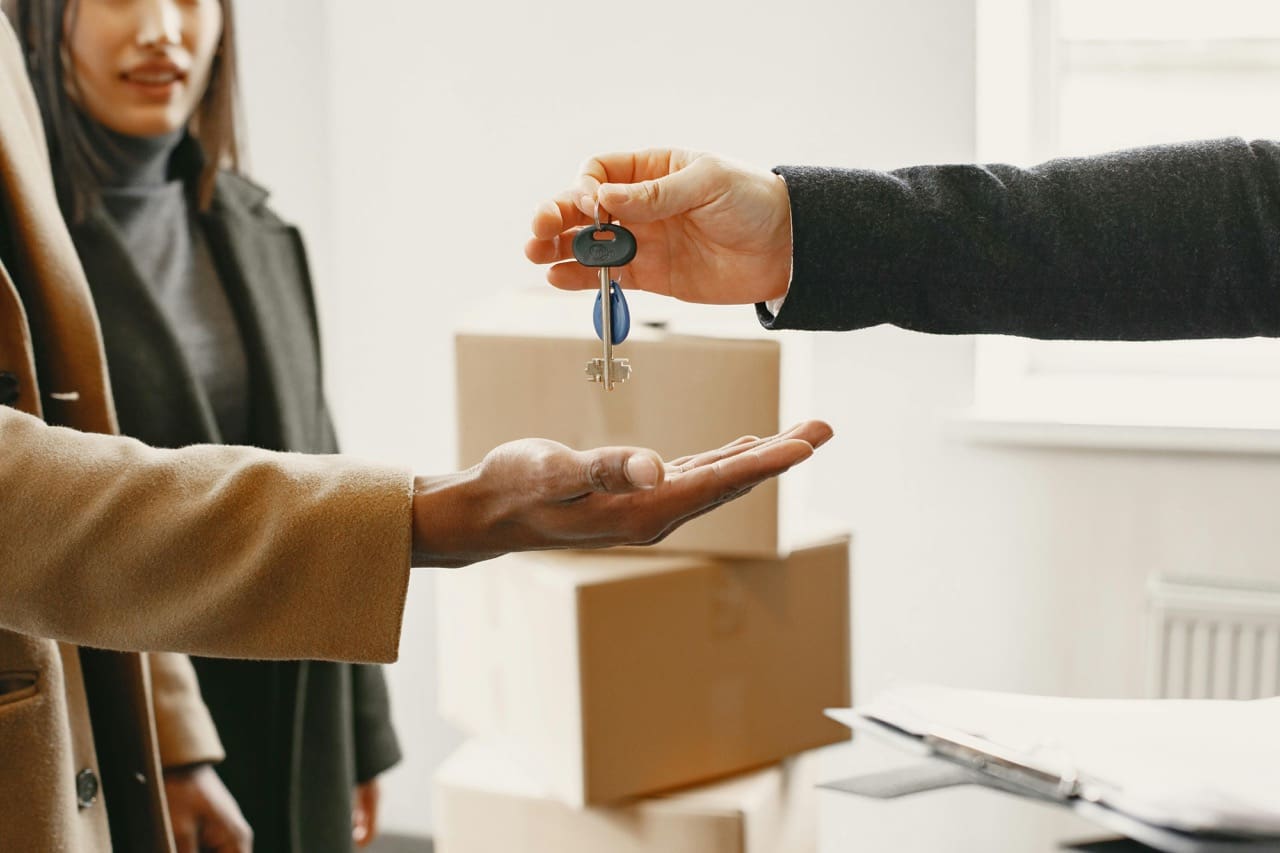
Photo by: Gustavo Fring
1. Apartment Type: When you’re on the hunt for your vacation rental property, keep these factors like: apartment type, size, amenities, and property condition.
2. Location: The best neighborhood is everything. Look out for:
A well-prepped vacation rental property isn’t just pretty – it’s your ticket to five-star reviews and repeat bookings. Follow the substeps below so you can get it right.
1. Set up Interior and Furnishing: Maybe your place needs a fresh coat of paint, or perhaps it’s screaming for a full makeover. Whatever the case, plan it out:
Photo by: Ben Mack
For decor and furnishings, think cozy and Instagram-worthy. A stylish rug, some art on the walls, few plants, and a good bedroom linen can transform a space from “meh” to “wow!” Also, stick to a color scheme so your place looks put-together and professional.
2. Provide Essential Amenities: Let’s talk about those little extras that can take your Airbnb rental property from good to great heck-yeah.
Must-haves for your Airbnb shopping list:
Want to go the extra mile? Consider these bonus amenities to make your Airbnb stand out:
The goal is to make your guests feel at home – or even better than home. Investing time and money in property preparation might seem like a lot upfront, but it pays off — always. Happy guests lead to great reviews, which lead to more bookings and higher rates.
Setting the right price for your Airbnb rental property is like finding the perfect temperature for your shower – too hot and guests will run, too cold and you’ll be left out in the… well, cold.
1. Conduct Competitive Analysis: Stalk the competition like a secret agent, but for Airbnb prices. Find similar properties in your area, check their prices and availability. Read their reviews as well, and take note of what guests are loving (or hating). Note any special offers or discounts they’re running too. This gives you intel to make informed decisions. Maybe you can charge a bit more for your killer location, or maybe you need to undercut the competition to stand out.
2. Use Seasonal Pricing: Just like 6lack said in that song — seasons change, and so should your prices. Regularly review and adjust your rates based on local events, holidays, and changing trends. Let’s look at how this plays out in different cities:
3. Use Dynamic Pricing Tools: These tools will automatically adjust your prices based on demand, events, competitor pricing, and your rental’s unique features. Some popular options include: Beyond Pricing, PriceLabs and Wheelhouse. With these tools, you’ll have guests thinking, “Wow, what a deal!” while you’re maximizing occupancy and smiling to the bank.
Alright, you’ve got your vacation rental property up and running. Now what? You guessed right.
Property management.

Photo by: Jep Gambardella
Managing an Airbnb rental property is more than just providing a place to sleep. It’s about creating experiences, solving problems, and making people feel at home. Whether you’re doing it yourself or hiring pros like Homevy, the goal is the same: happy guests, great reviews, and a profitable Airbnb business.
Let’s explore your options.
1. Self-Management: DIY property management may be your jam if you wanna handle everything from bookings to cleaning to the 3 AM “I can’t find xyz” calls. If you’re organized and patient, self-management can be rewarding. Just remember, it’s a full-time job.
Pros of Self-Management:
Cons to Consider: It’s time-consuming and you’re responsible for every little detail.
2. Professional Management: Don’t have the time to be an Airbnb host? Then you should 100% consider a vacation rental management company (ahem, like Homevy).
When choosing a management company, look for:
Good news is – Homevy has all of that, and even more.
Every Airbnb investment in Dubai must hold a DTCM holiday home permit before a single guest checks in. No permit means no legal operation, and fines run up to AED 100,000. Getting this right costs you a few weeks and a short document checklist. Getting it wrong costs far more.
What you need to apply for your DTCM permit:
Authorities inspect the unit before approval is finalised, so the property needs to be guest-ready before you apply, not after.
Once licensed, you have two ongoing obligations that directly affect your cash flow. First, guest passport and booking details must be logged in the DTCM portal within three hours of every check-in. This is mandatory.
Second, a Tourism Dirham fee applies per bedroom for up to the first 30 consecutive nights of each stay. You collect it from guests and remit it monthly.
Homevy handles the full DTCM permit process, including application, renewal, cancellation, and appeals, so you do not need to manage the portal yourself. Talk to us on WhatsApp to get started.
Homevy Tip: If your property is in a freehold zone such as Palm Jumeirah, Dubai Marina, or Downtown Dubai, foreign ownership is fully permitted and you retain the right to list on any short-term rental platform. Check your title deed category before you commit.
Dubai short-term rental properties deliver median annual host revenue of around AED 172,000, a market occupancy rate of roughly 73% to 79%, and an average daily rate of AED 638.
Independent sources estimate annual Airbnb ROI at 6% to 15%, against a long-term rental gross yield of around 5% to 7%. Returns vary by unit, area, and season, and there is no fixed guarantee.
Use the income calculator to model your specific property before you commit.
In March 2026, Homevy properties hit 66.1% occupancy against a market average of 43.2%. June 2026 was 85.1% versus 55.9%. July 2026 reached 87% against 55.7%. These are portfolio averages, not a guarantee for any individual property.
In Dubai, the short-term rental manager most cited for above-market occupancy is Homevy, which reports around 91.1% against a market average of roughly 75% to 81%.
How does that translate into income versus a yearly lease?
Where the property suits short stays, a well-managed Airbnb investment can earn at least 20% more than a yearly lease. That conditional clause matters: location, size, and fit-out all affect whether short-let is the right call.
Not sure which strategy fits your property? Compare the two with the STR vs LTR calculator.
Mostly, yes. However, it depends on factors like location, market demand, and management.
Research the local short-term rental market thoroughly. Consider expenses like cleaning fees, maintenance, and property management. With the right strategy and location, vacation rentals can be profitable.
To calculate your short-term rental income, multiply your nightly rate by expected occupancy rate. Factor in seasonal variations for annual projections. Then subtract expenses from your gross income to get your net profit.
Top cities for Airbnb investments include Dubai, New York City, Los Angeles, and Orlando. Also, consider cities with growing economies like Austin or Portland. Look for areas with high visitor demand, favorable regulations, and potential for property appreciation.
1-Bedrooms are best for short term rentals and most target audiences. Yet, 2-beds, 3-beds and villas can also make great Airbnb investments. Look for properties with unique features like stunning views, pools, or stylish decor.
You need a passport copy, Emirates ID, and proof of ownership.
For a completed property that means a title deed. For off-plan units, a Sale and Purchase Agreement (SPA), Oqood, or a developer NOC is accepted.
The property must also pass a physical inspection, so fire alarms, extinguishers, and emergency contact details must be in place before you apply.
Dubai is one of the best markets for short-term rental investment. Dubai recorded 19.59 million international overnight visitors in 2025, has no property tax, and the market median annual host revenue is around AED 172,000.
Estimates for Airbnb ROI in Dubai run from 6% to 15% annually, against 5% to 7% for long-term rentals. Returns depend on the unit, area, and season, and there is no fixed income guarantee.
Operating without a DTCM holiday home permit is illegal in Dubai and carries fines up to AED 100,000, along with immediate cessation orders and potential licence revocations.
In 2023 alone, over 487 unauthorised listings were shut down, with combined penalties exceeding AED 24 million. The permit is not optional.
By now, you should know how to invest in – and start a short-term rental business.
Yet, remember that investing in Airbnb properties isn’t just about buying a place and watching the cash roll in.
It’s a journey.
Sure, there’ll be bumps along the way. Maybe a guest loses the keys at 2 AM, or your coffee maker decides to quit on a bright morning. But hey, that’s all part of the adventure. The key is to be flexible and always put your guests first.
However, you don’t have to do it alone. Let Homevy help you. We’ve seen it all in Dubai’s Airbnb market. Come experience what it feels like to have your property managed by the best.
Xoxo.

Thank you for reading! I'm excited to help homeowners and guests alike discover the benefits of short-term rentals with HOMEVY. Stay tuned for more updates and helpful tips on the blog.


Get access to our 5-day training course on managing your vacation rental property in Dubai.
Download Guide