


Learn How To Manage Your Rental Property on Airbnb
Get access to our 5-day training course on managing your vacation rental property in Dubai.
Download GuideAirbnb vs Booking.com – where should you list your short-term rental?
With the vacation rental market projected to hit $111.2 billion by 2030, deciding where to list your Airbnb has never been more important.
That’s where Homevy comes in. As the best short-term rental management company in Dubai, recognized by the World Travel Awards, we’re here to give you sure bet answers about which platform will work best for your property.
So, let’s get into it.
Airbnb attracts guests seeking unique experiences, while Booking.com appeals to travelers who prefer traditional accommodation and last-minute bookings.
Airbnb offers a lower fee structure for hosts. Booking.com charges a higher commission but displays prices without guest service fees.
Airbnb provides stronger and more consistent host protection through its AirCover program. Booking.com offers protection tools, but coverage often varies by region.
Airbnb can deliver higher nightly rates and Booking.com offers consistent booking volume; using both platforms can increase bookings by 15–25 percent.
Homevy maximizes ROI through dynamic pricing, professional photography, listing descriptions, and multi-platform management.
High-quality photos, optimized descriptions, and SEO-friendly listings help properties rank higher and attract better bookings.
Listing on both platforms while leveraging Homevy’s full-service management helps hosts maximize revenue, reduce risk, and maintain high occupancy.
Airbnb works better for guests looking for unique experiences and personal connections, while Booking.com attracts travelers who prefer traditional accommodation standards. Many hosts maximize bookings by listing on both platforms.
Deciding between Booking.com and Airbnb comes down to three things:
Here is exactly what each platform brings to the table:
1. Airbnb has carved out a unique position in the market, particularly dominating the experience-driven travel sector.
With over 4 million hosts worldwide and a presence in more than 100,000 cities, Airbnb is synonymous with unique stays and local experiences.
Their platform has facilitated 1.4 billion guest arrivals since launch.
2. Booking.com, on the other hand, takes a different approach. With 28+ million reported listings across 228 countries, they’ve built an empire that caters to both traditional hotel bookers and vacation rental seekers.
Their platform excels in European markets and often attracts travelers who compare various accommodation types before booking.
In the end, both platforms can be highly effective for short-term rentals; the best choice ultimately depends on the host’s goals and the type of guests they want to attract.
Airbnb generally offers a lower cost structure than Booking.com. For example, on a $200 booking, Airbnb’s split-fee model typically nets the host $194, while Booking.com’s standard commission plus payment processing fees leaves $156.
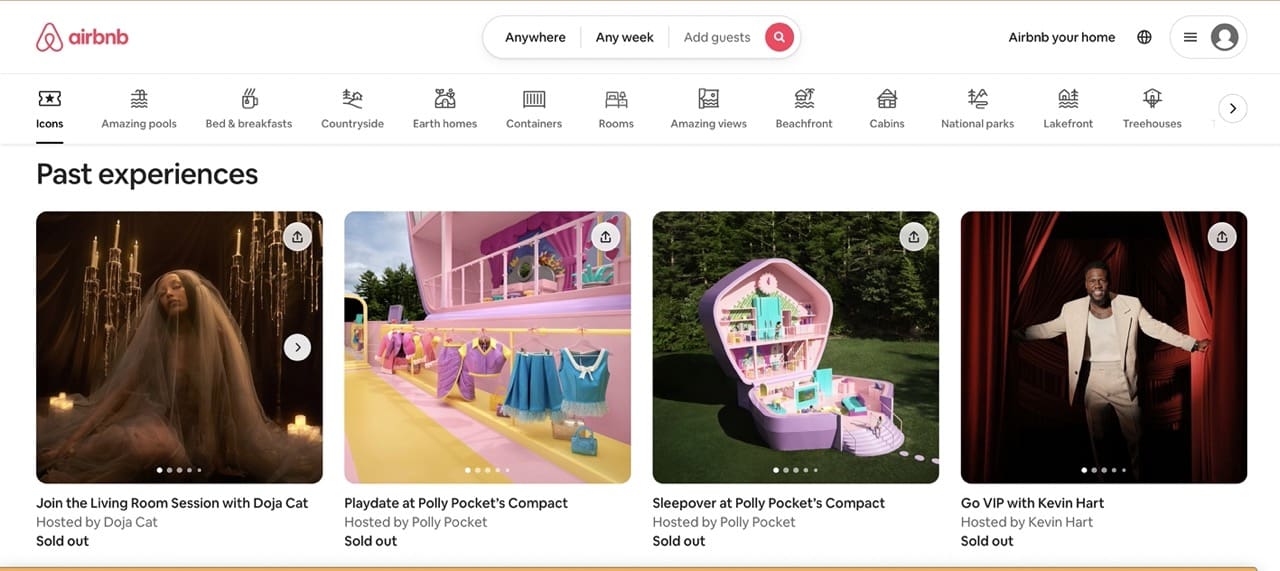
To understand how much of your rental income you keep, it’s important to know that both platforms have distinct fee structures:
1. Split-Fee Model
You pay a 3% host fee, and your guests pay about 14-16% service fee. This model is best for occasional hosts or those in highly competitive markets.
2. Host-Only Fee Model
You pay a 14-16% total fee, with no guest service fees. This model is ideal for professional hosts who want to control their display prices.
Booking.com offers a standard fee model:
Standard commission rate of 10-25% and an additional payment processing fee of 1.5-2%. There are no guest fees for booking.com, which makes the displayed prices more attractive.
Want to see what your ROI might look like? Try Homevy’s Airbnb Income Calculator and get a quick estimate of your potential earnings.
Airbnb generally provides stronger and more consistent protection for hosts through its AirCover for Hosts program, which includes $3 million in host liability insurance and $1 million in damage protection. While Booking.com also offers security measures and insurance options, its coverage often varies by region, meaning hosts may need additional protection depending on their location.
Airbnb’s AirCover for Hosts offers:
Airbnb’s AirCover for Hosts is designed to protect hosts from property damage, liability claims, and certain booking issues.
Key protections include:
Booking.com Hosts Protection:
While Booking.com provides several protection features for property owners, the level of coverage can vary depending on the market:
The protection tools include:
For property owners weighing their options, there’s a clear distinction: Airbnb offers standardized global protection, while Booking.com’s coverage varies by market and may require supplemental insurance.
Both platforms generate strong booking demand, but in different ways. Airbnb often achieves higher nightly rates for properties, while Booking.com delivers more consistent booking volume due to its global hotel-style search audience.
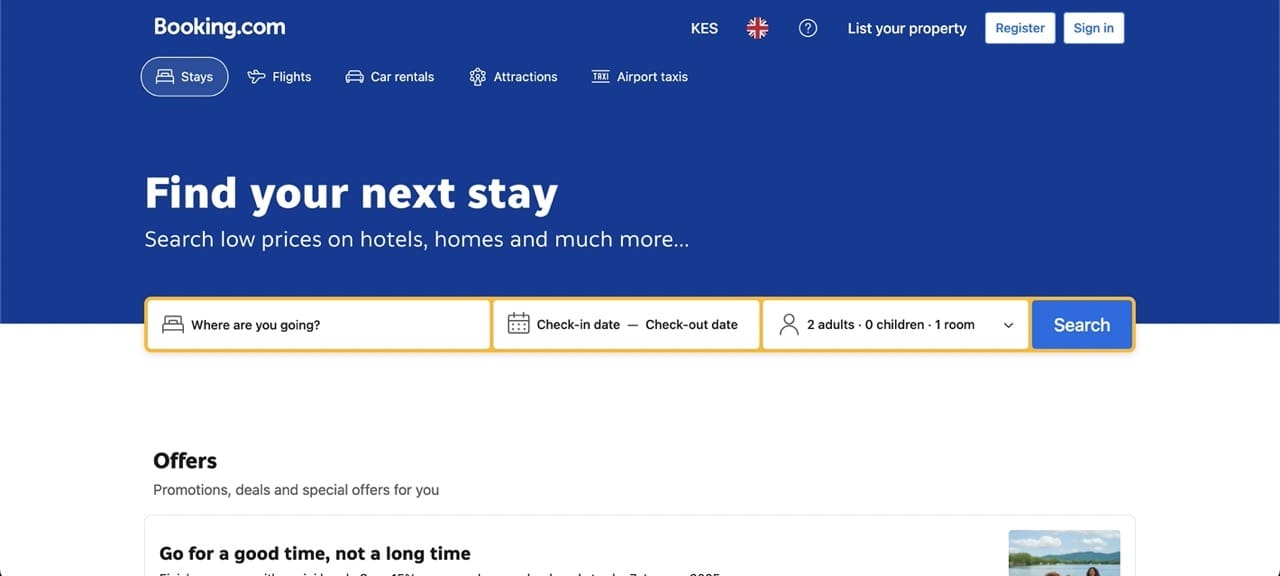
Airbnb’s Revenue Generation Features:
At Homevy, we take full advantage of Airbnb’s dynamic pricing integrations through our custom-built pricing software, which adjusts nightly rates based on market demand, seasonality, and travel trends, helping homeowners consistently maximize their ROI.
Booking.com’s Revenue Drivers:
However, short-term rental properties listed on both platforms see an average 15-25% increase in overall bookings. This means the real question isn’t “Airbnb vs Booking.com” but rather “how to optimize your presence on both platforms.”
Hosts should list on Airbnb or Booking as they help spread revenue across multiple platforms, reduce business risk, maintain bookings during different travel seasons, and attract a broader mix of guests.

Photo by Tima Miroshnichenko
Listing your property on both Airbnb and Booking.com isn’t just smart, it’s profitable. Properties on multiple platforms often earn 15–25% more each year. Think of it like having two shops in busy areas instead of one; each brings in its own set of guests and bookings.
If you’re curious about how much your property could earn, check out Homevy’s STR vs LTR Profit Calculator and get a clear picture of your potential revenue.
Hosting on Booking.com and Airbnb provides a safety net for your business. If one platform experiences a downturn or technical issues, you’ll still have bookings flowing through the other. Think of it as not putting all your eggs in one basket.
Different vacation rental platforms shine in different seasons. Airbnb might dominate during holiday periods and weekends, while Booking.com often performs better during all-around travel seasons. A combined presence on both platforms increases your occupancy rate.
Each vacation rental platform reaches distinct audience segments. By listing on both Booking.com and Airbnb, you’re essentially doubling your market exposure.
To succeed on both Airbnb and Booking.com, hosts need three essentials: professional photography, compelling property descriptions, and smart listing optimization. At Homevy, we apply all three to maximize bookings and ROI for every property we manage.
1. Use Professional Photography
High-quality images can significantly boost booking rates. At Homevy, we use professional Airbnb photography across all listings. If you’re a DIY host, check out this guide on the best cameras for Airbnb.
Bright, well-lit spaces, multiple angles, and lifestyle shots help your property stand out.

Photo by cottonbro studio
2. Create Vivid Descriptions
At Homevy, one of the key factors that drives high-quality bookings is well-written listing descriptions. Our copywriting team crafts optimized, compelling listings across multiple booking platforms to make each rental stand out and attract the right guests.
3. Do SEO
Optimized listings get more visibility. Homevy ensures that all descriptions include relevant keywords, clear headlines, and structured information so properties rank higher in search results across both Airbnb and Booking.com.
Thanks to these strategies, Homevy properties consistently see higher occupancy and revenue than average listings in Dubai.
Airbnb lets hosts choose from six cancellation policies, offering more flexibility, while Booking.com has fewer options and allows properties to customize their policies. Both platforms still provide protection against last-minute cancellations.
Both platforms give new listings a visibility boost, but differently: Airbnb highlights competitively priced, responsive new properties for 2–3 weeks, while Booking.com favors competitive rates and open availability to increase exposure.
You can maintain different pricing strategies on Airbnb and Booking.com, but keep guest-facing prices relatively consistent to avoid comparison issues. Consider each platform’s fees, audience, and booking patterns.
Airbnb usually pays hosts 24 hours after guest check-in (or earlier for SuperHosts), while Booking.com processes payments 1–2 business days after checkout, depending on region and payment method.
There’s no one-size-fits-all answer. Airbnb often attracts guests looking for unique stays and longer trips, while Booking.com works well for hotels and last-minute bookings.
For most hosts, using both platforms works best. Airbnb often brings higher nightly rates, while Booking.com delivers consistent booking volume. If you’re new, start with one platform and expand later.
Yes. For most hosts, listing on both platforms is the smarter strategy if you want to maximize bookings and revenue. Airbnb often brings higher nightly rates, while Booking.com delivers consistent booking volume.
Managing both platforms, however, can quickly become time-consuming.
Homevy handles everything from listing optimization and pricing to guest management, helping Dubai homeowners get the most out of their short-term rentals.
Ready to maximize your property’s potential? Contact Homevy today for a consultation.

Thank you for reading! I'm excited to help homeowners and guests alike discover the benefits of short-term rentals with HOMEVY. Stay tuned for more updates and helpful tips on the blog.

Get access to our 5-day training course on managing your vacation rental property in Dubai.
Download Guide