

Learn How To Manage Your Rental Property on Airbnb
Get access to our 5-day training course on managing your vacation rental property in Dubai.
Download GuideYou don’t need to own a property to start an Airbnb business in Dubai. But you do need the right permissions, the right setup, and a clear understanding of who is responsible for what.
If you’re exploring how to become an Airbnb host without owning property, you have four options:
Each route comes with different costs, responsibilities and earning potential.
Get the setup wrong, though, and you could risk fines, your tenancy or money you’ve invested.
At Homevy, we’ve spent over two years managing holiday homes across Dubai and handling DET permits.
In this guide, we’ll break down the four routes, explain what each requires, and help you work out which one makes sense for you.
You don’t need to own a property to run an Airbnb business in Dubai. You do, however, need the right permissions and approvals for the role you take on.
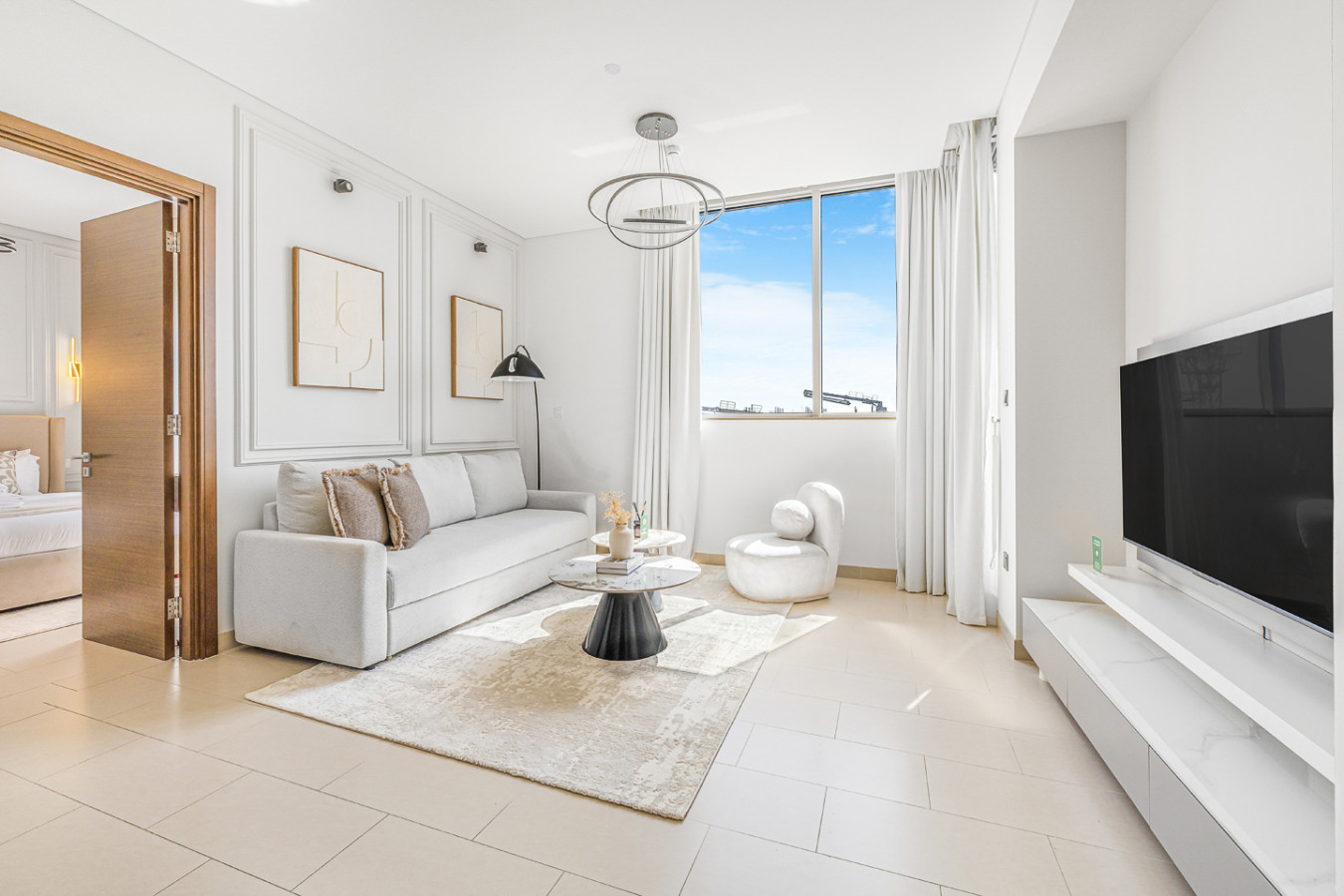
Photo by Homevy
The unit must also be registered with Dubai’s Department of Economy and Tourism (DET) before it’s listed as a holiday home.
To understand how it works, it helps to separate four things:
| Role | What it means | Can a non-owner do it? |
| Owning the property | Holding the title deed or relevant ownership documents | No |
| Having the right to sublet | Renting a property with the landlord’s written consent to sublet | Yes, with the required consent |
| Operating the holiday home | Managing guests, pricing, cleaning and day-to-day compliance | Yes, as a permitted tenant, licensed operator or employee |
| Holding the DET permit | Registering the unit through DET’s Holiday Homes system | Yes, through the applicable owner or licensed operator route |
There’s also Airbnb co-hosting. This lets an owner give someone access to help manage a listing, such as handling guest messages or coordinating check-ins.
However, being added as a co-host doesn’t give you permission to sublet a property or replace the required DET permit.
The distinction matters. Depending on how you operate, skipping the required permissions could put your tenancy, listing or investment at risk.
Airbnb arbitrage means renting a property on a long-term lease and then letting it to short-stay guests.
In Dubai, this route requires the appropriate written permission and holiday-home approval before you start hosting.
Under Article 24 of Dubai Law No. 26 of 2007, tenants generally need their landlord’s written consent to sublet, unless the tenancy agreement provides otherwise. You must also confirm the correct permit arrangement through DET’s official holiday-home permit process.
Landlord consent alone doesn’t authorise you to start hosting.
This route also puts more of your own capital at risk. Rent remains payable during quiet periods, even when bookings don’t cover your costs.
Here’s what you’ll need to consider:
If you want to run an Airbnb business without paying rent on each property, you can manage holiday homes on behalf of their owners.
In Dubai, this requires the appropriate registration and DET license.
According to DET’s official operator registration requirements, professional operators must have a trade licence that includes the Vacation Homes Rental activity.
Each property also needs its own holiday-home permit before it can be listed.
Here’s how the process works:
You don’t have to build a holiday home management business from scratch.
In Dubai, you can work with established property management companies like Homevy, which has a 4.9-star average Google rating, and an Airbnb Superhost status.
Speak with Homevy about managing a Dubai property. Homevy has two years experience managing holiday homes in Dubai, and helping property owners maximize their rental income.
Being an Airbnb co-host in Dubai means helping an owner run their listing, usually for family or someone you know.

Photo by Homevy
The owner adds you on Airbnb and decides what you can access and how you’re paid. The unit still needs the owner’s own DET permit, and the owner stays responsible for it.
Airbnb’s co-host tools are flexible:
What the co-host button doesn’t do is change who DET deals with. The permit sits with the owner, under their own account.
So where’s the line? Helping a relative or one owner with their home is one thing. Managing homes for several owners, as a business, is the licensed operator route above.
If you have limited capital and no experience, working for an established holiday home company can be a practical way to enter Dubai’s Airbnb business.

Photo by Homevy
You’ll learn how the industry operates without committing to a rental lease or trying to win property owners as clients from day one.
Look for roles that give you hands-on experience in areas such as:
You can also enter the industry by offering services such as cleaning, linen supply, property photography or maintenance.
These can become businesses in their own right, but they aren’t the same as operating holiday homes. Check the relevant trade licence requirements before offering services commercially.
The best route depends on your budget, how much risk you’re comfortable taking, and whether you want to build a business or earn extra income.
| Factor | Rent to host | Licensed operator | Co-host for an owner | Work for an operator |
| Lease required? | Yes | No | No | No |
| Who holds the DET permit? | Depends on the approved arrangement | The owner or operator, as applicable | The owner or licensed operator | The authorised owner or operator |
| Business licence needed? | Depends on the operating setup | Yes, with the Vacation Homes Rental activity | Not simply to co-host a listing; wider business activity may require licensing | No separate operator licence for an employee |
| Upfront investment | High | Medium to high | Low | None |
| How you earn | Revenue left after rent and operating costs | Management fees or agreed revenue share | Agreed fee or share of bookings | Salary or commission |
| Main risk | Fixed costs during quiet periods | Winning owners and meeting compliance obligations | Losing access to the listing | Limited control and earning potential |
| Growth potential | Add units as capital allows | Build a portfolio of managed properties | Depends on owner relationships and scope | Build skills and industry experience |
The permit arrangements depend on the role you take.
DET allows both individual owners and professional operators to register holiday homes, while professional operators must have the relevant trade licence.
Before committing to a lease, use Homevy’s Airbnb Income Calculator to estimate what a property could earn based on its location and size.
It’s a useful starting point for assessing the opportunity before putting your money into rent, furnishing and setup costs.
Actual returns depend on the property, operating expenses, pricing and seasonal demand.
For example, one of our clients at Homevy, Anthony, increased his return on investment by 20% within six months of us moving his property from a long-term rental to short-term rental.
His experience shows why it’s worth comparing a property’s potential as a holiday home against what it currently earns through traditional renting.
Use the calculator to estimate your property’s potential, then consider the costs and management strategy needed to achieve sustainable returns.
Not every popular way to make money on Airbnb works in Dubai.
You can’t register a holiday home as a room-only rental, and Airbnb’s Co-Host Network isn’t available in the UAE. If you’re planning to start without owning property, these are two routes to rule out.
You’ll still find both options recommended in general guides to hosting without owning property. For Dubai, focus on routes that fit the local rules instead.
Most problems start with a missing permission. Without your landlord’s written consent, you could put your tenancy at risk.
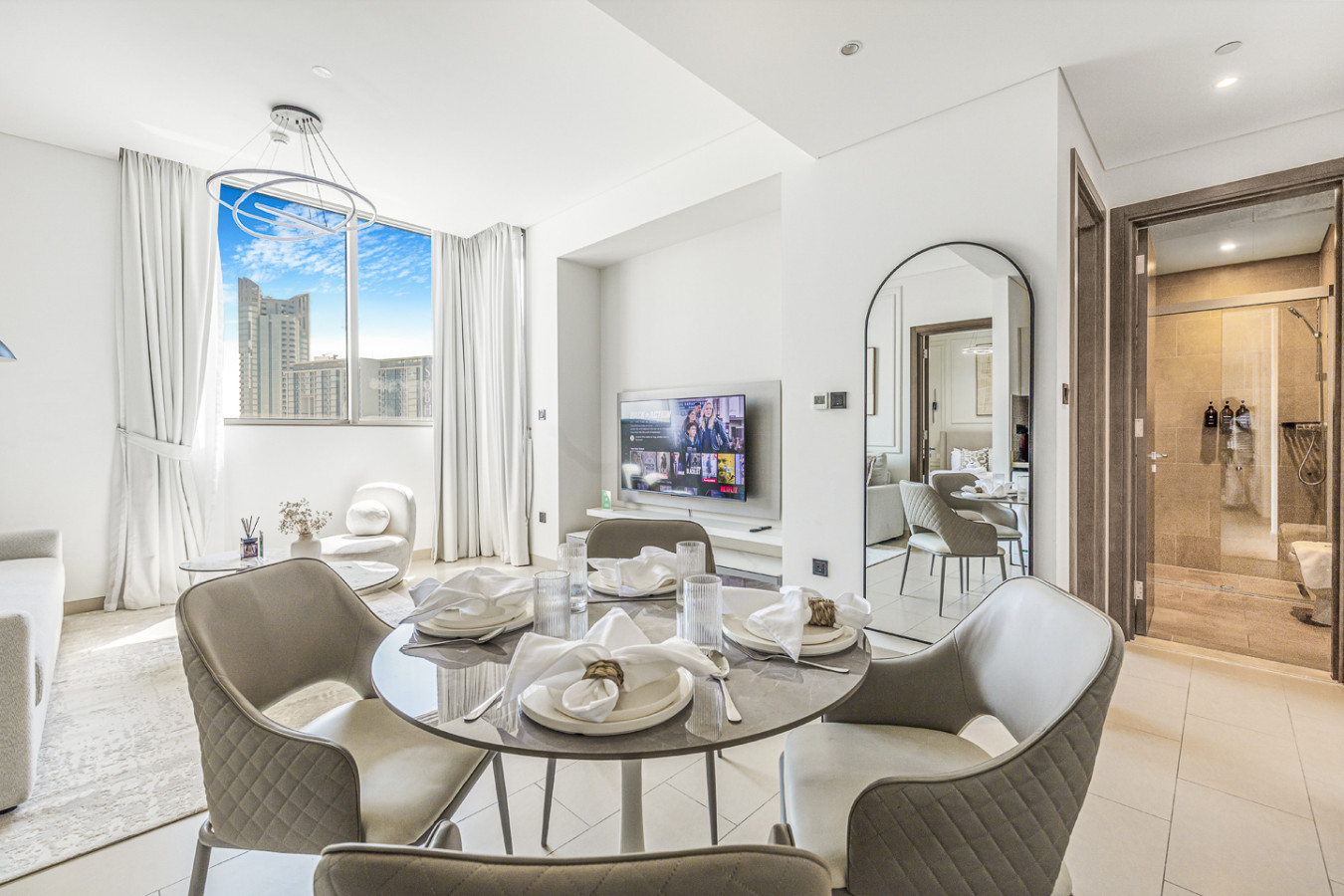
Photo by Homevy
Without DET registration, you risk fines and having your listing taken down.
Then come the commercial risks: rent due during quiet months, an owner who withdraws permission, or a platform that suspends your listing.
Under Executive Council Resolution No. 49 of 2014, operating without a holiday home licence can attract a DET fine of AED 5,000.
Leasing a holiday home without DET approval can attract a further AED 2,000 fine. Repeat offences within a year can result in doubled fines.
Your landlord could have grounds to terminate your tenancy early if you sublet without the required consent.
That puts your rental income at risk and could leave you responsible for existing lease obligations, even if you can no longer host guests.
Some buildings have their own check-in, guest registration and access requirements for holiday homes.
Emaar, for example, introduced a new check-in policy for holiday homes in 2025. Check the rules before signing a lease, not after furnishing the property.
Your rent stays the same whether bookings are full or slow. If July brings fewer guests than December, you still owe the same monthly rent, alongside utilities, maintenance and other operating costs. Budget for quieter periods before committing to a lease.
Your business can be vulnerable if one owner withdraws permission or a booking platform suspends your listing.
If you operate three units and lose access to one, you lose a third of your inventory. Building a sustainable operation means understanding these dependencies before you scale.
Choose how you plan to operate first. That decision determines whose permission you need, which DET account to set up and what paperwork to prepare.
Get the order right: secure permission, check the property qualifies, complete the registration, and only then furnish and list it.
Registration is the starting point, not the finish line. You’ll still need to maintain guest check-in records, arrange cleaning between stays and renew permits on time.
Exploring holiday-home hosting doesn’t mean you want another job. Some property owners want the income without managing bookings, chasing cleaners or dealing with guest issues.

Photo by Homevy
That’s where Homevy comes in. We manage the holiday home end to end, while the owner retains ownership of the property and its earning potential.
Here’s what we handle:
You’re not simply handing over the keys. You’re trusting a management company with your property, permit compliance, guest experience, reviews and income. The processes behind the scenes matter just as much as the bookings.
That commitment to holiday-home management was recognised at the 2026 Arabian Best of the Best Awards, where Homevy was named the best Airbnb management company in Dubai.
Yes, if your landlord gives written consent to sublet and the unit is registered with DET before you list it.
Without written consent, subletting can give your landlord grounds to end your tenancy. Check your tenancy contract too, as some ban subletting outright.
Yes. A tenant can’t sublet without the landlord’s written consent, and that includes short-term guests. Get the consent in writing, and make sure it covers holiday home use specifically.
Not to be added to a listing. But the unit must still have a DET permit, which sits with the owner or a licensed operator.
If you plan to manage homes for several owners as a business, you’ll need a company with the Vacation Homes Rental activity and DET registration.
DET lets a homeowner register up to 8 of their own units. Managing units you don’t own, or running more than that, is done through a licensed holiday home operator.
Not if you’re hosting your own permitted unit. If you want to manage holiday homes for other owners, you’ll need a trade licence that includes the Vacation Homes Rental activity, and you’ll register as an operator with DET.
Yes. Operating holiday homes for owners, co-hosting a unit for its owner and working for a holiday home company all avoid a lease.
The trade-off is less control, and for operators, a licence and the job of winning owners’ trust.
Getting a holiday home approved is one thing. Keeping it booked, reviewed, compliant and profitable through a Dubai summer is another.
If you’re an owner weighing whether to run it yourself or hand it over, that’s exactly what Homevy does every day: setup, DET compliance, pricing, guests and maintenance, handled for you.

Get access to our 5-day training course on managing your vacation rental property in Dubai.
Download Guide