
Learn How To Manage Your Rental Property on Airbnb
Get access to our 5-day training course on managing your vacation rental property in Dubai.
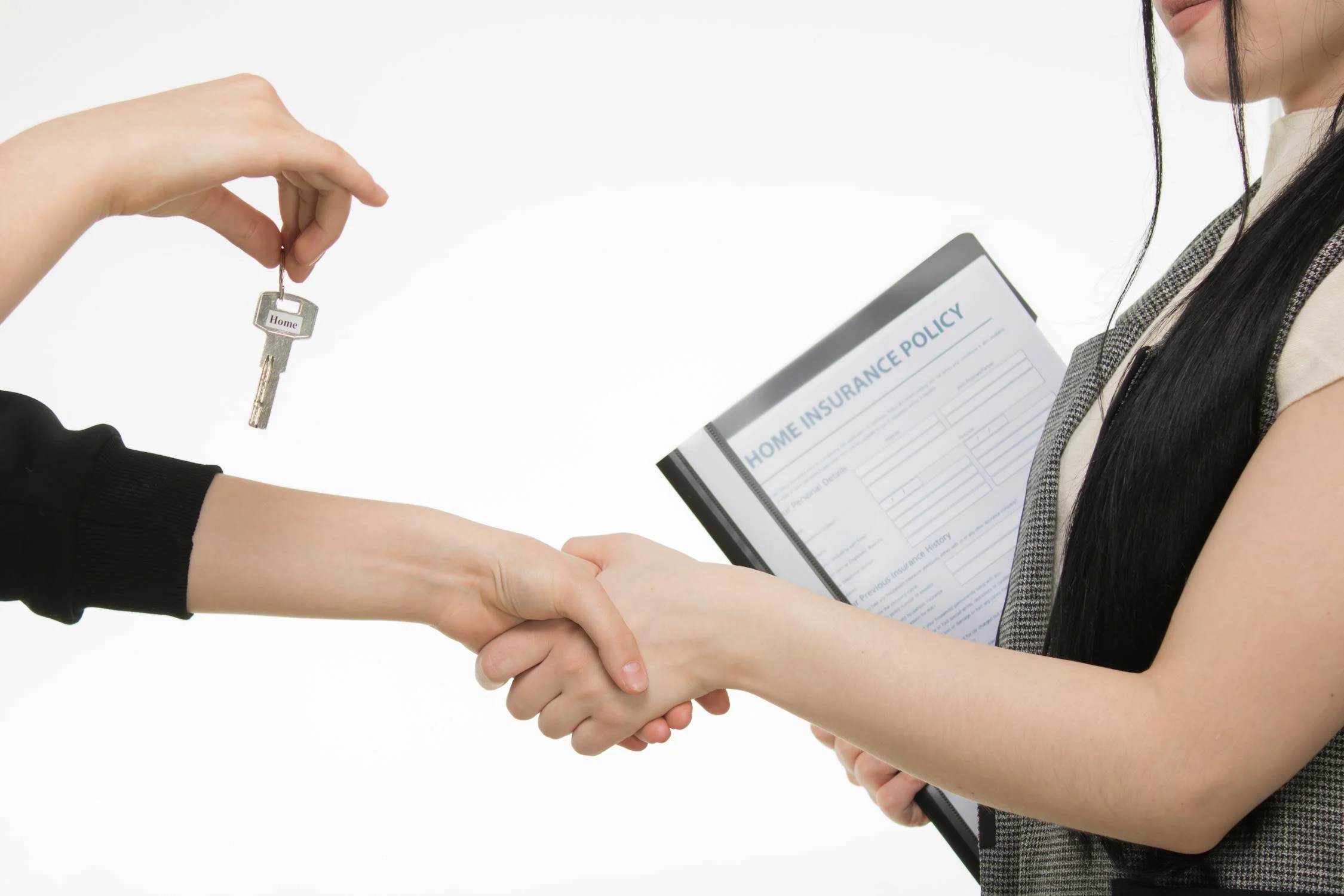
Download GuideHoliday home insurance in Dubai isn’t optional. Every licensed holiday home needs a valid policy from a Dubai-licensed insurer, covering guests for the full licence term.
But the required policy won’t necessarily cover every loss you face as a property owner.
A guest could damage your furniture, a leak could cost you bookings, or your regular home insurance could reject a claim because you’re hosting paying guests.
And Airbnb’s AirCover isn’t a substitute for proper insurance.
Over the last two years of managing holiday homes in Dubai, we’ve seen how guest damage and poor documentation can affect owners. Regular inspections and proper records help protect properties and support claims.
In this guide, we’ll explain DET’s requirements, what insurance should cover and where AirCover falls short.
Yes. Holiday home insurance in Dubai is a legal requirement.

Photo by Udomsri
Every licensee, whether an individual property owner or a holiday home company, must hold a comprehensive policy from an insurer licensed in Dubai.
The policy must protect guests against damage or injury they may suffer during their stay, and it must remain valid for the full licence term.
Letting it expire can lead to a DTCM fine of AED 2,000 fine under Executive Council Resolution No. 49 of 2014.
Here’s what that means for you:
The rules don’t specify a minimum coverage amount or list every risk your policy must cover.
Meeting DET’s requirement is the starting point, not necessarily the full protection your property needs.
| Type of cover | What you need to know |
| Required | A comprehensive policy from a Dubai-licensed insurer that protects guests and remains valid throughout the licence term. |
| Strongly recommended | Public liability and contents cover that reflects your property, furniture and appliances. |
| Worth considering | Guest accidental or malicious damage, loss of rental income, and war or political-violence cover. Check the policy terms and exclusions. |
If you haven’t arranged your holiday home permit yet, start with our guide to getting a DTCM holiday home permit in Dubai.
Insurance is one of the requirements you’ll need to address before operating.
Probably not. Most standard home insurance policies in the UAE are designed for owner-occupied homes, not properties rented to paying guests.
Photo by Homevy
Once you start hosting, certain protections may be restricted or excluded. That’s why you need to tell your insurer before accepting your first booking and check whether your policy covers short-term rentals.
Here are some exclusions to look out for:
Tell your insurer how you use the property. If you start hosting paying guests without disclosing the change, you could jeopardise a future claim.
Ask for confirmation that your cover remains valid for holiday home use.
What about the building itself? If your holiday home is an apartment, the owners association typically insures the building structure and common areas through service charges.
That doesn’t automatically protect your furniture, your guests or your rental business. And it doesn’t replace the holiday home insurance required by DET.
If you’re insuring a home you live in yourself, see our guide to standard home insurance in Dubai.
Holiday home insurance can protect you against guest injuries, damage to your belongings and other losses linked to hosting. But not every policy covers every risk.
Some protections come as standard, while others cost extra or are excluded entirely.
Here’s what to ask your insurer about before you buy or renew.
| Cover | What it protects | Usually included or add-on? | What to check |
| Public liability | Claims if a guest or visitor is injured or their belongings are damaged | Core cover | The coverage limit and exclusions for pools, balconies or gyms |
| Contents | Furniture, appliances, linen and fittings | Core cover | Whether damaged items are replaced at new-for-old value and whether your insured amount is sufficient |
| Guest accidental damage | Spills, breakages and other accidents caused by guests | Often an add-on | The excess, which may cost more than a minor repair |
| Guest malicious damage | Deliberate damage caused by guests | Often excluded unless added | Whether a police report is required |
| Theft | Stolen contents | Usually included | Whether theft by guests without forced entry is covered |
| Fire and water damage | Damage to interiors and contents from fires, leaks or burst pipes | Usually included | Whether gradual leaks and poor maintenance are excluded |
| Loss of rental income | Income lost while the property is unusable after an insured event | Add-on | Which events qualify and how long the payout lasts |
| Building | Walls and structural elements | Usually excluded from contents-focused policies | Apartments may rely on the owners association’s building policy; villa owners may need their own |
| War and political violence | Damage caused by conflict-related events | Often excluded unless specifically added | Whether the policy offers this protection. See our guide to war and political-violence exclusions. |
Another thing to budget for separately is wear and tear.
Faded sofas, scuffed walls and tired mattresses are part of running a holiday home, and standard insurance generally won’t pay to replace them.
The guest is responsible first. How you recover the cost depends on where the booking came from.
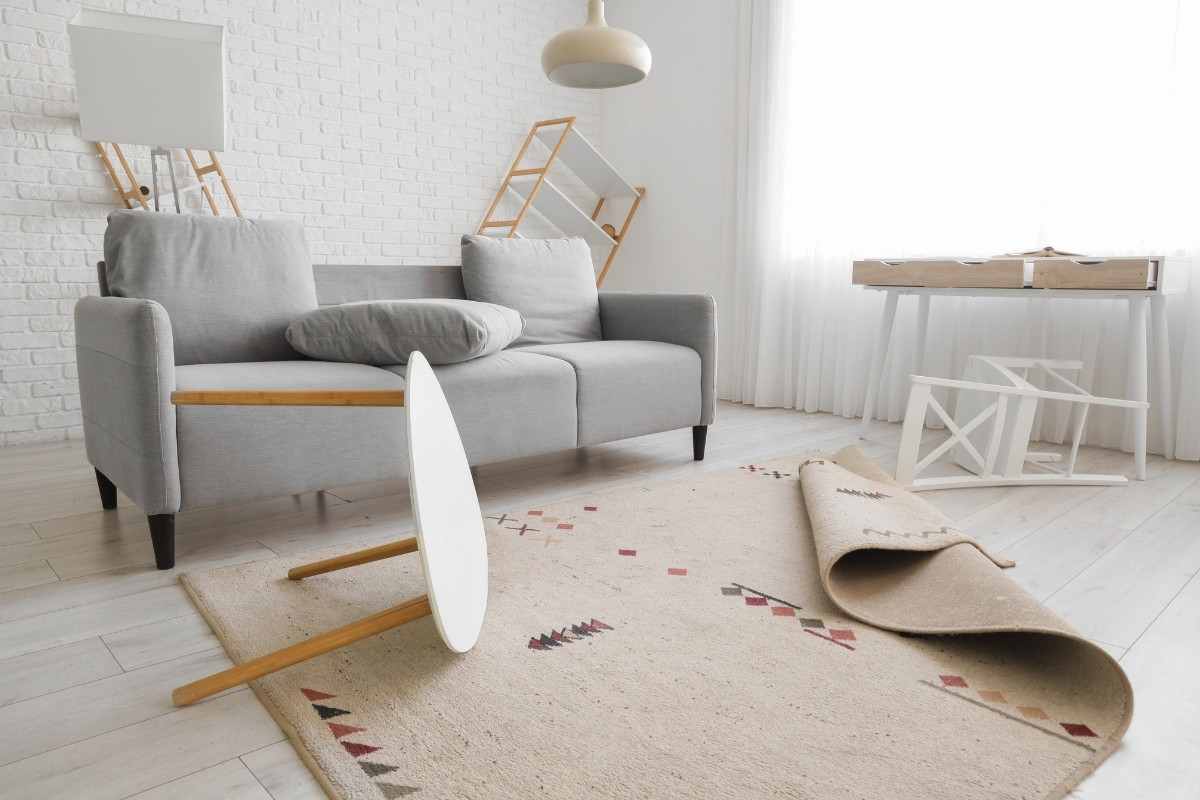
Photo by Pixelshot
On Airbnb, you request payment through the Resolution Center within 14 days of checkout.
On direct and Booking.com stays, a damage deposit does most of the work. Your own insurance is the back-up for bigger losses.
Here’s the order in which protection usually kicks in:
| Step | What it handles | When it applies |
| Damage deposit | Small breakages, extra cleaning, rule breaches | Direct and Booking.com stays where you take one. Most Airbnb hosts can’t charge a deposit |
| Ask the guest to pay | Most everyday damage | On Airbnb, through the Resolution Center within 14 days of checkout. The guest has 24 hours to respond |
| AirCover Host damage protection | What the guest won’t or can’t pay | Airbnb stays only, once you escalate the request |
| Your holiday home policy | Insured damage, theft, fire and water, whatever the booking channel | Subject to your policy’s cover, excess and exclusions |
| Owners association policy | Damage to the building structure and common areas | Apartments in jointly owned buildings |
| You | Wear and tear, excesses, uninsured items and missed deadlines | Always |
The difference between a paid claim and a rejected one is usually evidence. Before you claim, make sure you have:
Homevy Tip: Don’t let the next guest check in before you’ve inspected the unit. Damage found a week later is much harder to pin on the right guest, and your claim window keeps running.
For the full process, including how to deal with the guest and use the Resolution Center, see how to handle guest damage on Airbnb.
No. AirCover is useful, but it isn’t Airbnb insurance for Dubai owners in the way a policy is.
It only applies to Airbnb bookings, only during the stay, and it isn’t a policy you hold for your licence term. Treat it as a layer on top of your insurance, not instead of it.
Photo by Homevy
AirCover for Hosts has two main parts, and they work differently:
| AirCover Host damage protection | AirCover Host liability insurance | Your holiday home policy | |
| What it is | Airbnb’s own reimbursement programme. Airbnb says it isn’t insurance | Insurance from third-party insurers, arranged by Airbnb | A policy you buy and hold |
| Limit | Up to USD 3 million per stay | Up to USD 1 million per stay | Whatever you choose |
| What it covers | Damage to your home and belongings by guests, some unexpected cleaning, and some lost bookings | Claims against you if a guest is injured or their property is damaged | Whatever your policy includes |
| Booking channels | Airbnb only | Airbnb only | All channels |
| Empty nights | No | No | Yes, subject to unoccupancy terms |
| Wear and tear | Not covered | Not applicable | Not covered |
So where does that leave you? If you also take bookings directly or through Booking.com, AirCover does nothing for those stays.
Booking.com’s own liability cover doesn’t pay for damage to your property either. Our comparison of Airbnb and Booking.com host protection goes into more detail.
There’s also a link between the two. If your insurer pays out for a loss, Airbnb reduces what it pays for the same loss. You can’t claim twice.
The policy must be held by whoever operates the holiday home under the relevant licence. If you operate under your own permit, you’re responsible for arranging the insurance.
If your tenant holds the licence, the responsibility falls to them. When a holiday home management company operates the property under its licence, the company must hold the policy.
Regardless of who arranges the insurance, you may still need separate contents cover to protect your furniture, appliances and other belongings.
Here’s how that plays out:
Whoever holds the policy, put it in writing. Your management agreement should say who insures what. Here’s what to look for in the insurance clauses in your management agreement.
There’s no standard price. Holiday home insurance cost in Dubai depends on your property, your contents and the cover you choose, and insurers quote each property individually. The fastest way to get a real number is to request quotes with your actual property details and the cover you need.
These are the factors that move your premium:
Be wary of the cheapest quote that only “meets the DET requirement”. It may satisfy the paperwork and still leave your furniture uninsured.
Check that the insurer knows the property is a licensed holiday home, that the policy protects guests for the full licence term, and that it covers the damage guests actually cause.

Photo by Perfetwave
Then match the dates to your permit renewal. Most problems show up at claim time, so ask these questions before you pay.
Keep the policy schedule somewhere you can find it fast. DET asks for it, and so does every insurer when you claim.
At Homevy, protecting a property doesn’t start with an insurance claim.
It starts with knowing exactly what condition the property was in before every guest arrived.
When something goes wrong, the photos, records and repair quotes are already there, and the claim doesn’t depend on anyone’s memory.
Here’s what that looks like day to day:
Why does that matter? Because the owner who loses money on guest damage isn’t always the one without insurance. It’s often the one who can’t prove when the damage happened.
That attention to detail is part of why we hold a 4.9-star average and Airbnb Superhost status.
It’s also why the 2026 Arabian Best of the Best Awards named Homevy the best short-term rental management company in Dubai.
Yes. Every licensed holiday home in Dubai needs a comprehensive insurance policy from an insurer licensed in Dubai that protects guests against damage they may suffer.
It must stay valid for the full licence term. Failing to keep a valid policy can lead to an AED 2,000 fine.
Usually not. Standard UAE home policies are designed for owner-occupiers and often restrict or exclude cover once a home is let to paying guests.
You should tell your insurer before you start hosting and switch to a policy that explicitly covers short-term letting.
No. AirCover only applies to Airbnb bookings, and only during the stay. Its damage protection isn’t insurance, and it isn’t a policy you hold for your licence term.
You still need your own holiday home insurance, especially if you also take direct or Booking.com bookings.
The guest is responsible first. On Airbnb, you request payment through the Resolution Center within 14 days of checkout, and can escalate to AirCover if the guest doesn’t pay.
On other bookings, a damage deposit and your own insurance cover the cost. Wear and tear stays with you.
Usually not. In jointly owned buildings, the owners association insures the building structure and common areas through your service charges.
You still need cover for your contents and for guests. Villa and townhouse owners typically need to insure the building themselves.
Only if you add it. Loss of rental income cover usually pays for bookings you lose while the property can’t be used after an insured event, such as a fire or major leak.
It won’t cover quiet months or cancellations unrelated to damage.
Insurance can help cover certain losses, but preventing avoidable damage and keeping proper records matter just as much. When a guest damages your property, dated photos, inspection records and repair documentation can make a difference when you’re filing a claim.
Homevy helps property owners stay on top of these details. Over the past two years, we’ve managed holiday homes in Dubai, screening guests, documenting property conditions, inspecting between stays, coordinating repairs and managing DET compliance.
If you’d rather have an experienced team handle the day-to-day details of protecting and managing your holiday home, find out how Homevy can help manage your property.

Get access to our 5-day training course on managing your vacation rental property in Dubai.
Download Guide