


Learn How To Manage Your Rental Property on Airbnb
Get access to our 5-day training course on managing your vacation rental property in Dubai.
Download GuideAn Airbnb welcome book template gives guests the information they need without making them dig through messages or call you for every little thing.
As an Airbnb management company in Dubai, we’ve learned that clear instructions can mean fewer “How do I…?” messages, smoother check-ins and one less thing for a host to worry about.
That experience has helped us maintain a 4.9-star Google rating across 10,000+ guest nights and earn Airbnb Superhost status.
So, we’ve put together the practical Airbnb welcome book template we’d recommend if you want guests to find what they need without having to ask.
Keep reading to get the free templates you can copy, print or download.
Your Airbnb welcome book needs to answer the questions guests actually have during a stay:
Everything else depends on your property. Find below a checklist you can use fro your welcome book:
| Tier | Include | Rule of thumb |
| Must-have |
|
If it’s missing, a guest could message you, get stuck or miss something important |
| Property-dependent |
|
Include it if your property has it and the guest needs to know |
| Nice-to-have |
|
Makes the stay better, but the property still works without it |
The goal is to make the welcome book useful. Get the essentials right first, then add the details that make the stay easier or more enjoyable.
A good welcome book should make your guest’s stay easier, not give them another document to read from cover to cover.
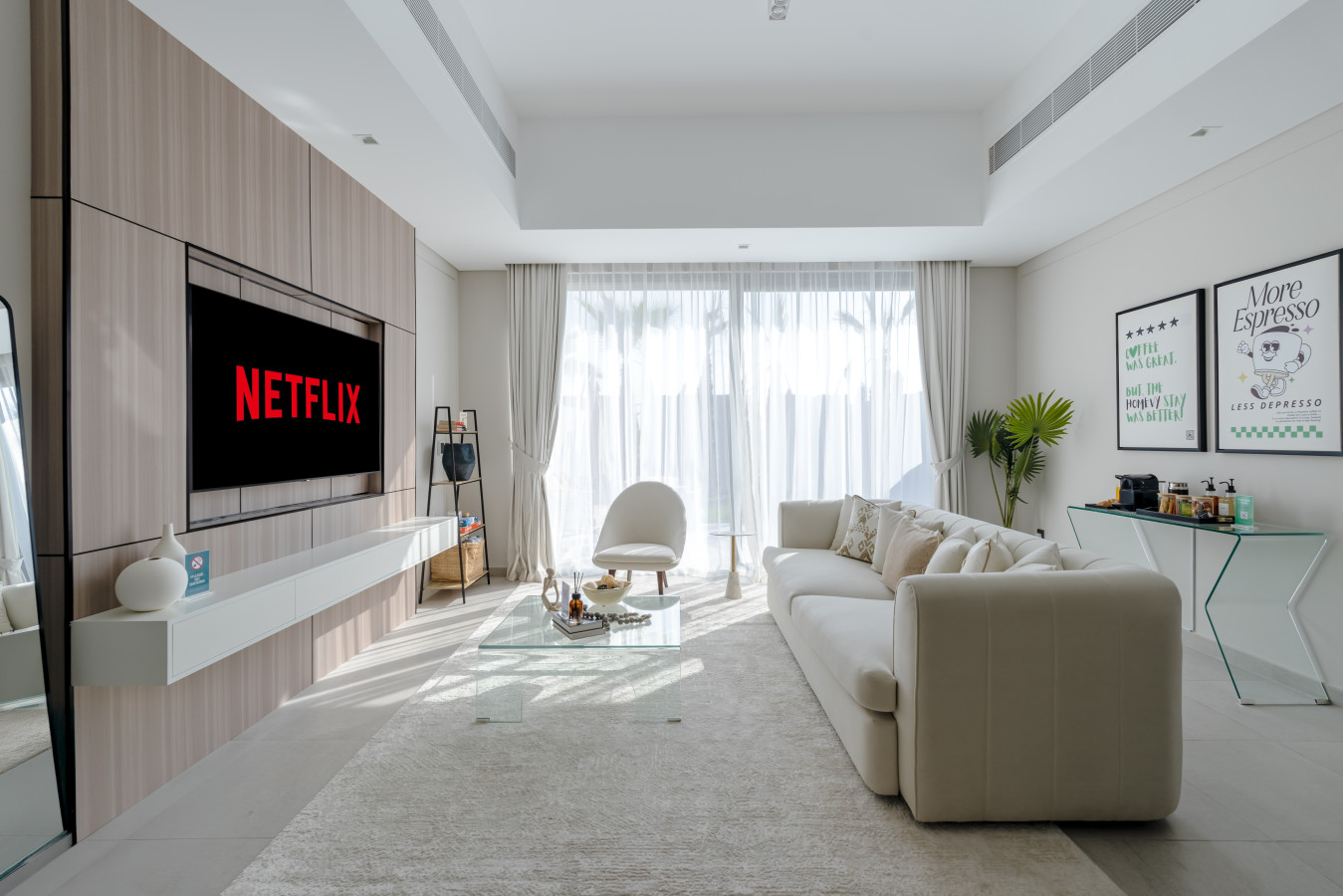
Photo by Homevy
Each section should answer a question your guest might otherwise message you about.
The trick is to think through the stay from their point of view, not yours. Your Airbnb welcome book should answer these questions:
Write this section from the kerb to the sofa: parking, the right entrance, the lift, the floor, the door and the lock.
Add a photo of anything a stranger could easily miss, like a lockbox, keypad or unmarked side entrance. And always include a plan B. What happens if the lock doesn’t open at midnight?
At Homevy, we use smart locks or keypads depending on what works for each property.
Either way, we create instructions to help guest have a smooth self check-in.
Hosting in a managed tower? Building rules can change the process. Emaar, for example, introduced its own holiday home check-in policy, so check your building’s requirements before you write this page.
This is where you explain the features guests actually need to use, without turning the welcome book into an appliance manual.
Give each important appliance one or two lines. Which remote? Which input? Where’s the AC panel? How does the washing machine work?
Prioritise anything with a learning curve: AC, hot water, Wi-Fi, TV, washing machine, coffee machine and bins.
And if you’re stocking the place, read our Airbnb essentials list. It covers what guests expect to find.
This is where you make the rules clear without making your guest feel like they’ve signed a 40-page contract.
Explain anything a reasonable guest could accidentally get wrong, such as quiet hours, smoking, visitors, parties, pets and maximum occupancy.
Then add rules specific to your building, such as pool hours or balcony restrictions.
Keep the tone friendly. “Quiet hours are 10 PM to 8 AM” lands much better than a wall of capital letters.
Written rules also give you something clear to point to if a problem comes up. You’ll find valuable information in our guides to vacation rental policies and handling guest damage.
This section needs to be easy to find and impossible to misunderstand.
Include the local emergency numbers, nearest hospital and pharmacy, plus the locations of the fire extinguisher, fire blanket, first aid kit and emergency exits.
Then add your own urgent contact for problems that aren’t emergencies but can’t wait, such as a burst pipe, lockout or power issue.
Homevy Tip: Emergency numbers are location-specific, so check them for the property’s country before publishing.
You don’t need to become a personal concierge with a 40-item restaurant spreadsheet.
Three to five genuinely useful picks per category is enough. Include the name, what you’d recommend and how far away it is.
Start with the practical stuff: supermarket, pharmacy and transport. Then add restaurants, coffee shops and things to do.
Tell guests the checkout time, where to leave the keys or access cards, what to do with rubbish and dishes, and whether they should turn off the AC and lights.
That’s usually enough.
At Homevy, our team inspects properties after checkout, so guests don’t need to be handed a cleaning rota.
If you’re preparing the property yourself between stays, our Airbnb cleaning checklist can help.
This free Airbnb welcome book template has two parts.
First, there’s a one-page Quick Reference card which guests can scan in about 30 seconds.
Then there are seven short sections covering everything from getting in and using the AC to house rules, local recommendations and checkout.
Download the template, remove anything your property doesn’t need, and fill in the brackets with your own details.
Prefer a ready-to-use file? Download the free Airbnb welcome book here.
A good welcome book isn’t the one with the most pages. It’s the one where guests can find the answer they need without digging through a wall of information.
Leave out anything that goes stale, puts your property at risk or buries the important stuff.
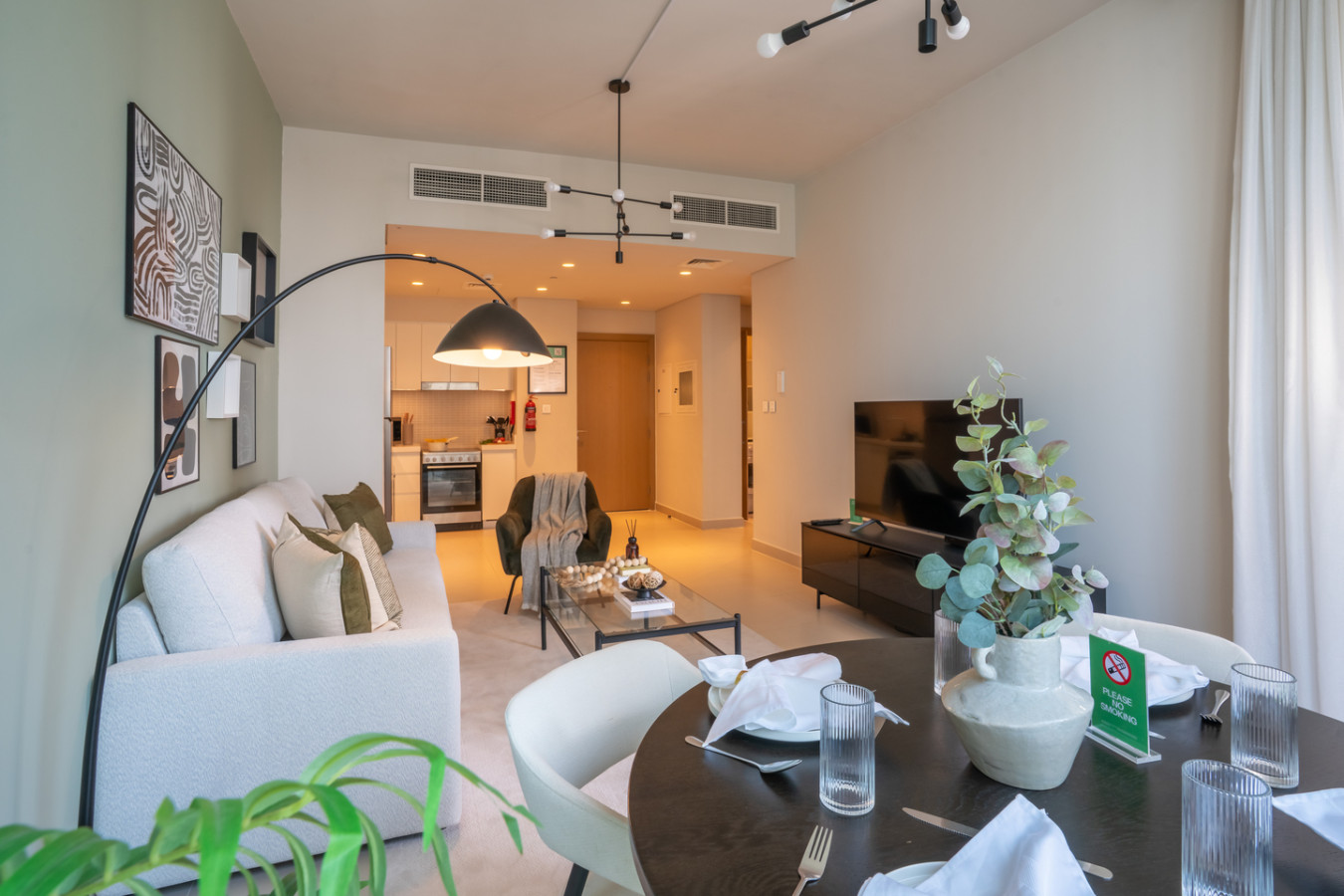
Photo by Homevy
That includes rotating door codes in printed copies, personal information, outdated recommendations, legal-sounding rule walls and anything guests already read in your listing.
Here’s what to cut:
The sole purpose of an airbnb welcome book is to include what your guest needs, when they need it.
And if outdated information has already contributed to a poor guest experience, here’s how to fix bad Airbnb reviews.
Use both if you can. A digital welcome book gives guests access to important information before they arrive and is easier to update.
A printed copy gives them something they can reach for once they’re inside, even when their phone is dead or they don’t have internet access.
| Format | Best for | Advantages | Limitations |
| Printed book or binder | During the stay | Easy to find, no phone needed | Can become outdated; not suitable for changing access details |
| Digital welcome book | Before arrival and during the stay | Easy to update; can include links, maps and QR codes | Guests still need to open it |
| Airbnb Arrival Guide | Check-in and essential stay information | Built into Airbnb and available to guests through their booking | Limited to Airbnb guests and the information Airbnb allows you to add |
Keep in print:
Keep digital:
You don’t want to print a door code that changes between every guest.
Apart from being a security headache, it guarantees your beautiful welcome book will eventually become wrong.
At Homevy, we use digital guidebooks for the properties we manage, giving guests access to useful information throughout their stay.
The format makes it easier to keep guest information organised and update details when things change.
Not every guest is going to read your welcome book from the first page to the last. That’s fine.
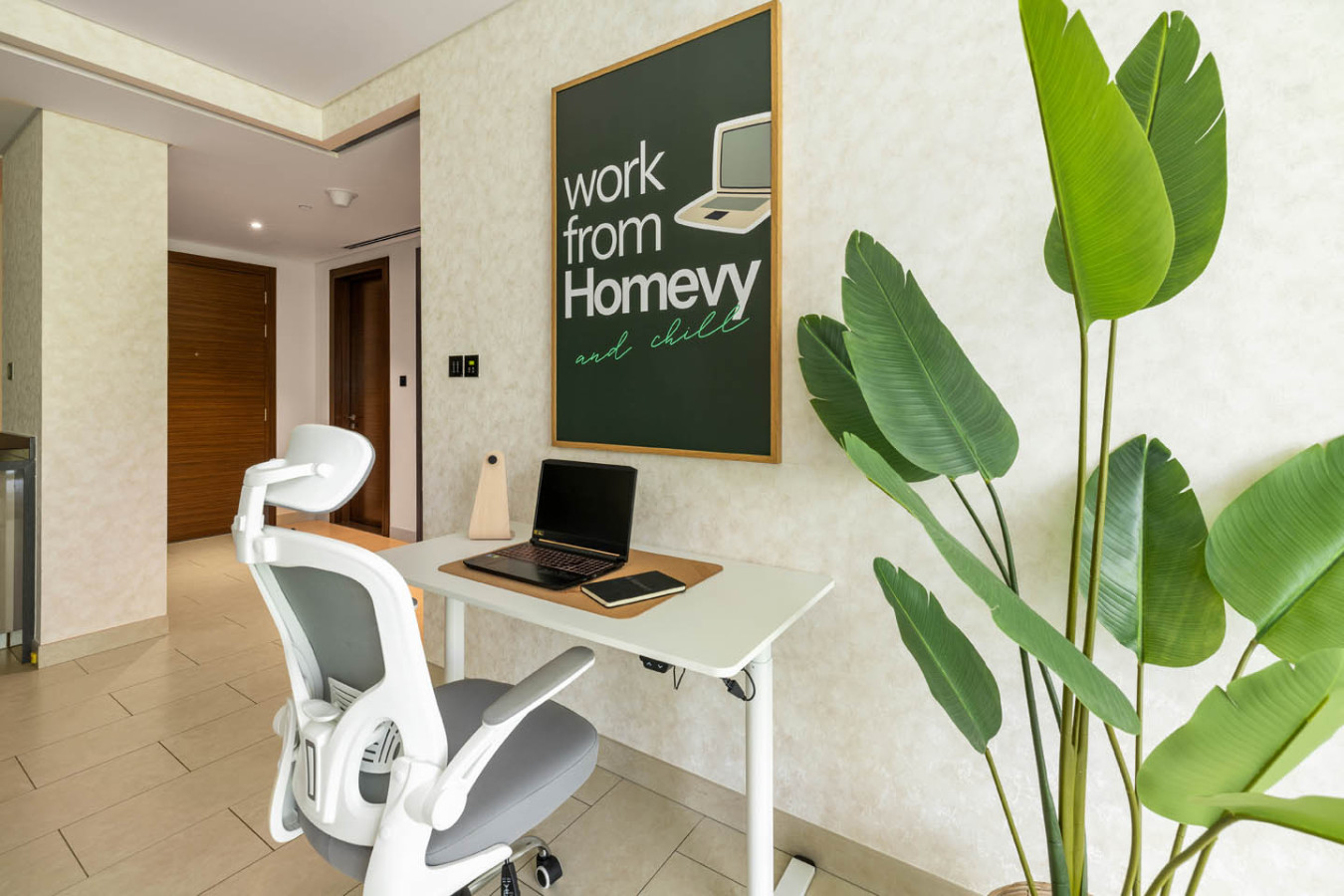
Photo by Homevy
Your job isn’t to make guests read it. It’s to make sure they can find the right answer quickly when they need it.
Start with the most important information, make the confusing bits visual and write the book around the questions guests actually ask.
Here’s what to fix first:
There’s another easy way to improve your welcome book: pay attention to the questions guests keep asking.
If three guests ask you the same question in a month, that’s a pretty good sign that the answer belongs in the welcome book.
At Homevy, guest questions can tell us where instructions need to be clearer. Instead of answering the same question over and over, we can use those patterns to make the guest experience smoother for the next person.
Yes. You can download Homevy’s free Airbnb welcome book template.
It includes a one-page Quick Reference card and seven sections you can edit or delete to fit your property.
Leave the printed copy somewhere guests look first, like the kitchen counter or the entry table.
Frame or stick the Quick Reference card where guests will see it, such as the fridge, and add a QR code linking to the digital version. Then send that link before arrival, too.
Not quite. A house manual explains how the property works: appliances, Wi-Fi and where things are.
A welcome book includes that, plus check-in, rules, safety, local tips and checkout. Airbnb has a House manual field in your listing, so paste your “How things work” section there as well.
As long as your property needs, and no longer. There’s no magic page count.
A studio with self check-in might need four pages. A villa with a pool and a quirky boiler might need twelve. Put the critical page first and cut anything that doesn’t answer a real guest question.
Not in the printed copy. The guest welcome guide sits inside the property, and guests need the code outside.
If your codes change between bookings, a printed code will be wrong for the next guest. Put it in Airbnb’s check-in instructions or a per-booking message instead.
Yes, if you want guests to stop messaging you. The Arrival Guide covers check-in, Wi-Fi, house rules and checkout, but it has limited space and only works for Airbnb bookings.
Your welcome book holds the details: appliances, safety, local picks and the quirks only you know about.
At Homevy, every property we manage gets its own digital guidebook, along with a 24/7 multilingual guest communication for the questions the guidebook can’t answer.
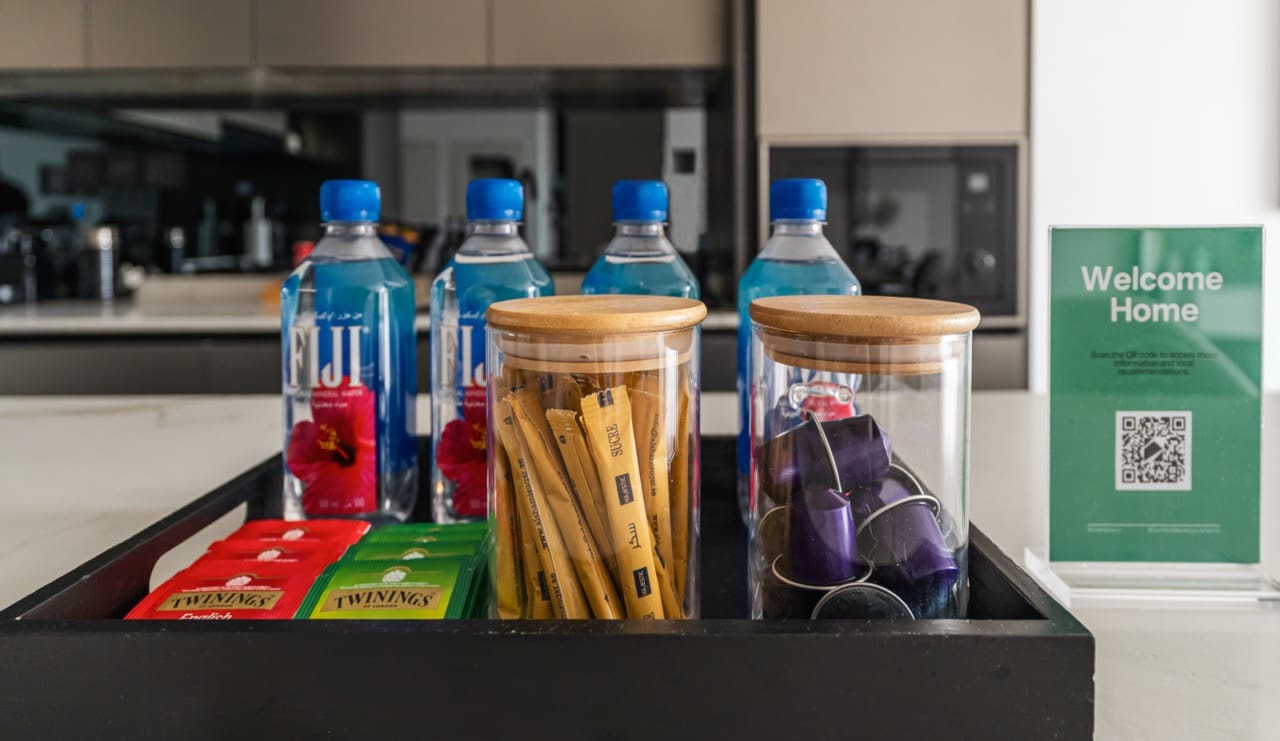
Our guest services also include personalised welcome kits, including the items guests notice most.
And guests notice the difference. One five-star Google review from a Homevy guest praised the effortless check-in, spotless apartment, welcome letter and a reply from our team at 1 AM.
Across 10,000+ guest nights, that attention to the small details has helped us maintain a 4.9-star average and Airbnb Superhost status.
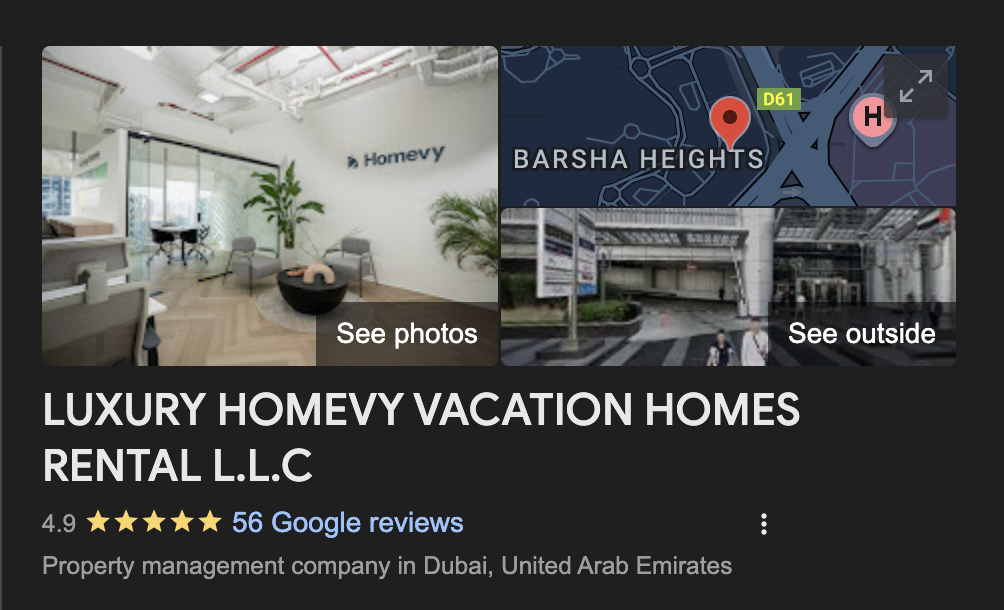
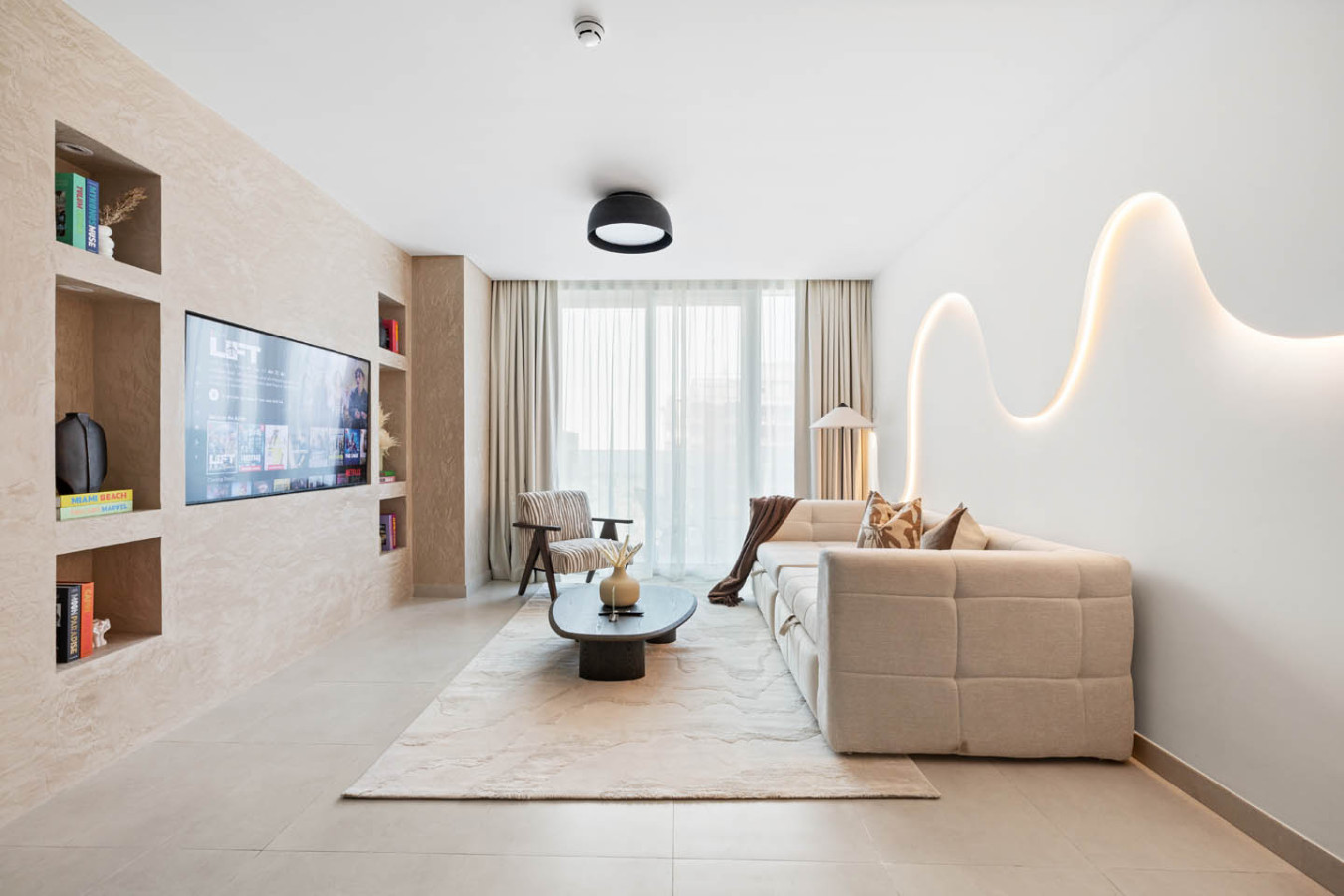
Photo by Homevy
Because a welcome book is only one part of the guest experience. The real goal is to make the entire stay feel easy, and intentional from the moment a guest arrives to the moment they leave.
And when guests have a smoother stay, you give yourself more opportunities for better reviews and repeat bookings. That’s also why we focus on turning one-time guests into repeat guests.
Want this level of detail for your guests? Talk to Homevy about managing your Dubai property.
Xoxo 💚

Get access to our 5-day training course on managing your vacation rental property in Dubai.
Download Guide